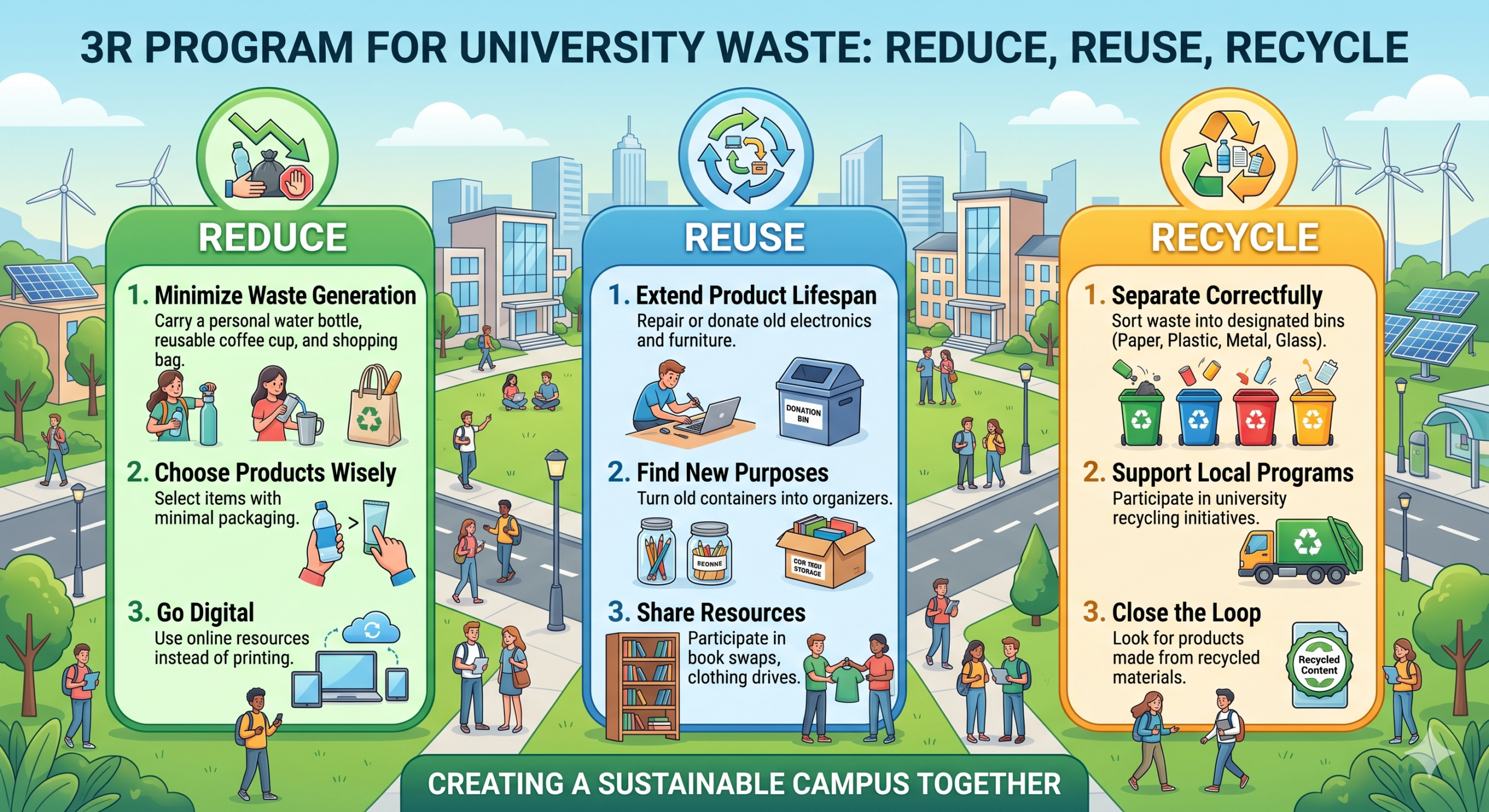
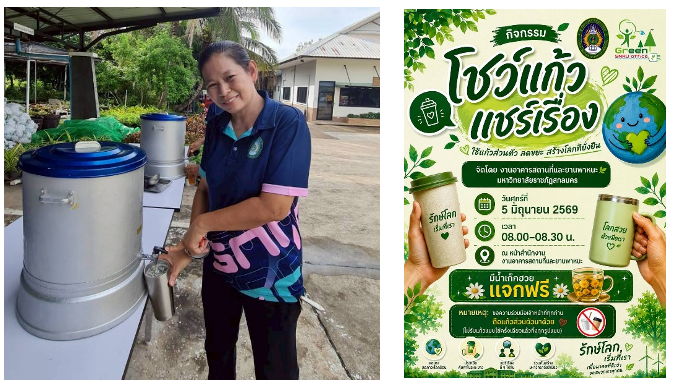
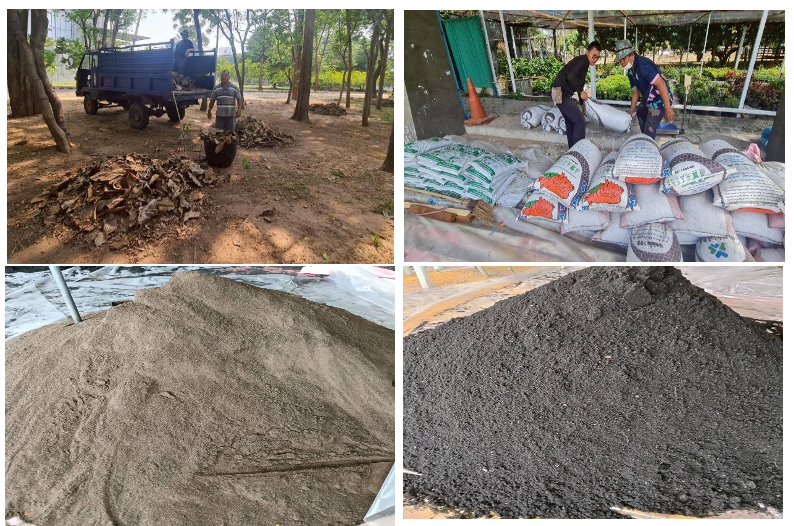
The Building, Grounds, and Vehicles Division has implemented the Green Office Project for the fiscal year 2026. This initiative aims to promote and encourage personnel within the division to manage office waste and refuse in the most environmentally friendly manner possible. As part of these efforts, the division has carried out operations to utilize or recycle waste, which include:
1) Reduce
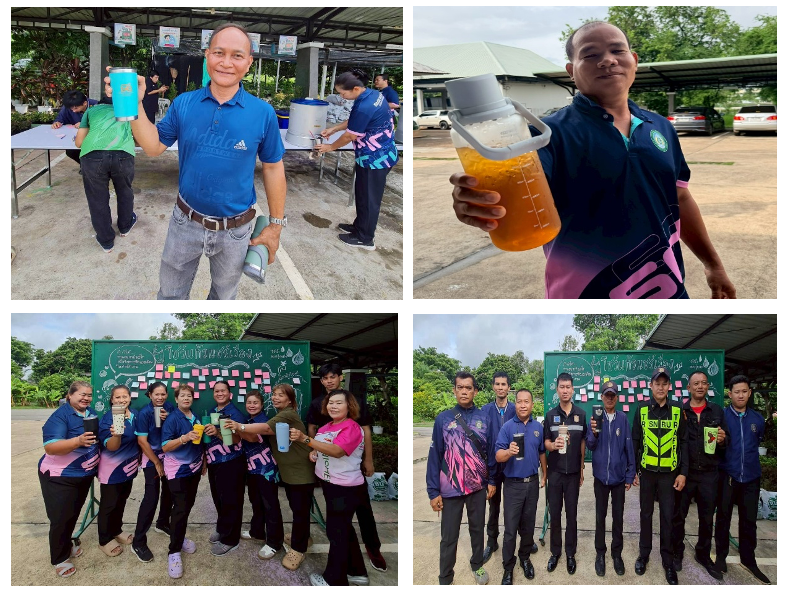
Campaigning for personnel within the Building, Grounds, and Vehicles Division to reduce consumption and “think before you use” in order to minimize office waste. These initiatives include:
Encouraging staff to use personal reusable cups to cut down on single-use plastic cups, thereby actively minimizing waste generation within the office.
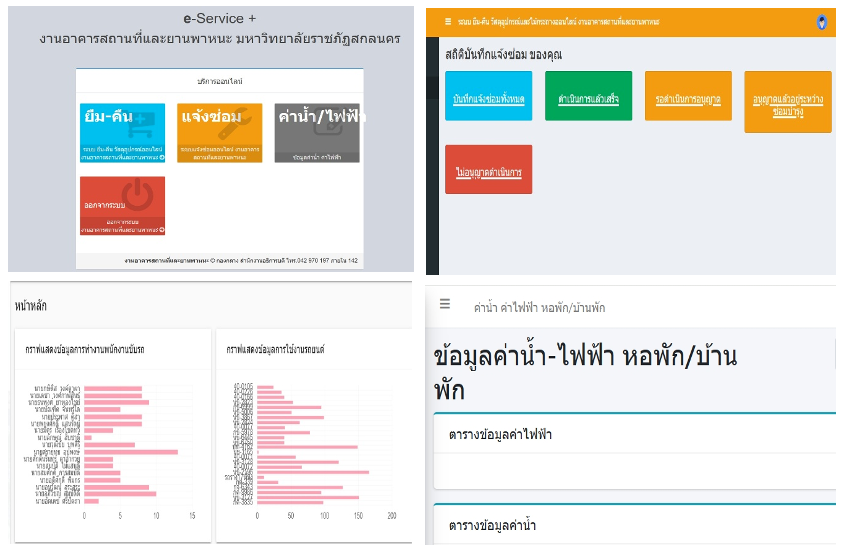
Reducing paper consumption for official memos and correspondence by transitioning to digital and electronic communication channels instead of physical paper.
2) Reuse
Campaigning for personnel within the Building, Grounds, and Vehicles Division to reuse items and maximize their lifecycle. Key actions include:
Raising internal awareness and publicizing these designated collection areas so all staff members know where to gather and reuse the paper.
Optimizing paper usage by utilizing the blank side of single-sided printed documents.
Establishing dedicated collection points in common areas for collecting single-sided paper.
3) Recycle
Campaigning for personnel within the Building, Grounds, and Vehicles Division to recycle and manage leftover materials by processing them into original or new forms. This includes:
Producing compost from fallen leaves and organic yard waste to repurpose landscape debris into nutrient-rich soil fertilizer.
Sakon Nakhon Rajabhat University (SNRU) demonstrates a structured, significant impact on the United Nations Sustainable Development Goals (SDGs) through its diverse portfolio of education, research, and community outreach programs. As documented in the university’s institutional reporting and performance showcases, the curriculum and academic initiatives directly support at least 6 to 7 distinct SDGs: This comprehensive […]
Academic Year Faculty/Department Total Graduates Graduates with Green Jobs Description of Green Jobs Data Source 2023 Faculty of Science and Technology 214 42 Government/Private Sector Jobs in Public Health/ Maintenance Technician, Related Factory Jobs File Analysis 2024 Faculty of Science and Technology 134 23 Government/Private Sector Jobs in Biology/ System Technician (Electrical/AC) File Analysis 2025 […]
Academic Year Faculty/Department Total Graduates 2023 Faculty of Education 562 2023 Faculty of Science and Technology 214 2023 Faculty of Management Science 500 2023 Faculty of Humanities and Social Sciences 350 2023 Faculty of Agricultural Technology 86 2023 Faculty of Industrial Technology 131 2024 Faculty of Education 526 2024 Faculty of Science and Technology 134 […]