Sakon Nakhon Rajabhat University signed a Memorandum of Cooperation Agreement (MOU) with the Office of the Policy Council, National Higher Education, Science Research, and Innovation (National Institute of Higher Education, Science, Research, and Innovation)
On November 29, 2021, Assistant Professor Chakrit Chanchitpreecha, acting president of Sakon Nakhon Rajabhat University, signed a Memorandum of Understanding (MOU) for policy and initiative development. This MOU aims to promote and support the university’s international development efforts to meet the country’s needs.
The signing ceremony took place via Zoom and had the honor of General Daphong Rattanasuwan, Privy Councilor, as the honorary chairman. The event involved discussions and policy considerations, with Special Professor Dr. Anek Laothamathat, Minister of Higher Education, Science, Research, and Innovation, presiding over the ceremony.
The MOU was established between Sakon Nakhon Rajabhat University, NSTDA, and Maha Rajabhat College to foster cooperation in policy and initiative development. The objective is to create essential policies, mechanisms, measures, and initiatives that drive university development to meet the country’s societal, economic, and resource needs. This includes developing strategies, action plans, and directions tailored to the context of each Rajabhat or Rajabhat University group to address the specific economic, social, and human resource needs of their respective regions.
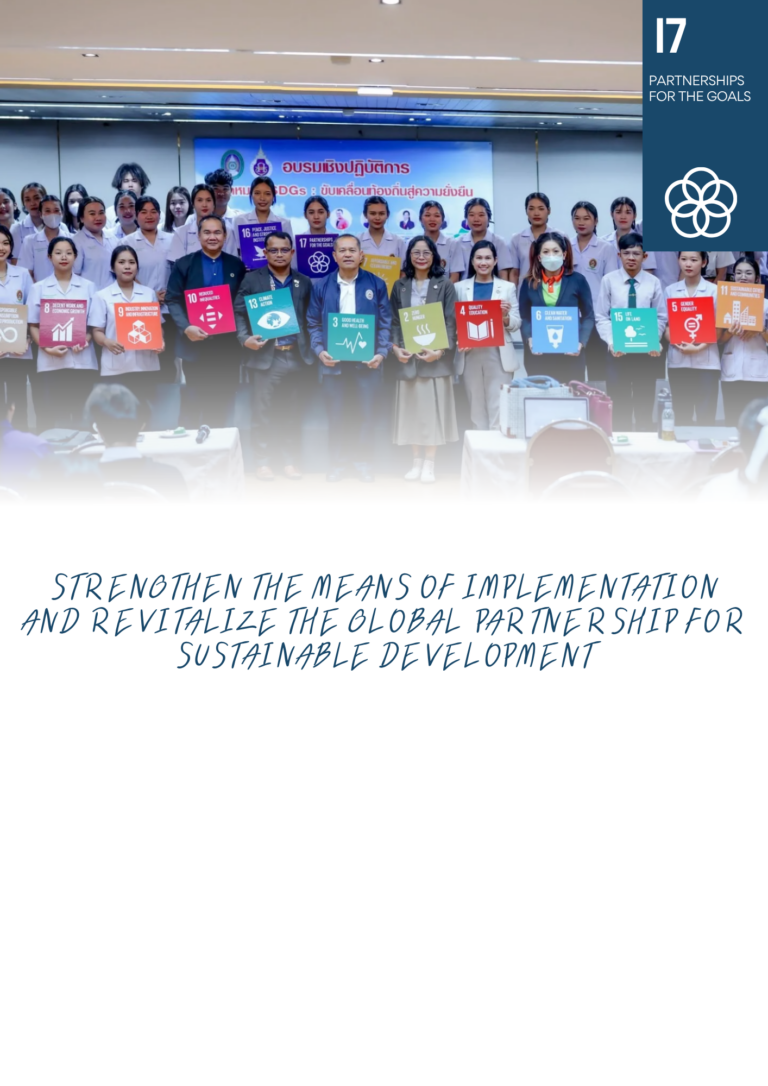
Sakon Nakhon Rajabhat University (SNRU) defines itself as “a higher education institution for local development,” so partnership is central to its mission. The University Council approved the 5-Year Strategic Plan (2026–2030) on 4 July 2025, with the vision “A Leading Higher Education Institution for Local Development with Global Perspectives through Innovation, Wisdom, and Good Governance.” […]
Infographic provided figure, here is a comprehensive description of the personnel data on campus as of 23 June 2025: Campus Personnel Overview The institution houses a total workforce of 926 people. This workforce is structurally divided into two primary divisions: Detailed Analysis of the Academic Line Within the Academic Line (435 people), personnel are further […]