Sakon Nakhon Rajabhat University places a high priority on the well-being of its students and staff. The Health and Sanitation Section, under the Division of Student Development, serves as the primary unit for providing care and services. The university’s infrastructure and activities are designed to offer comprehensive support for both physical and mental health.
Health Service Facilities
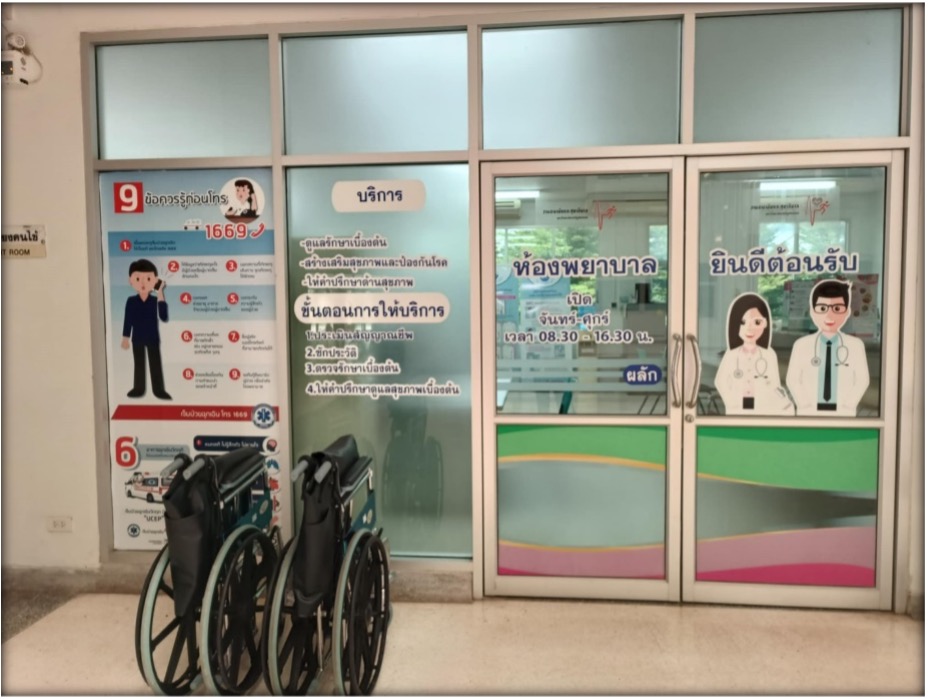
The university provides a Nurse’s Room with a welcoming atmosphere and a full range of amenities. The space is systematically organized to support a seamless service process, including:
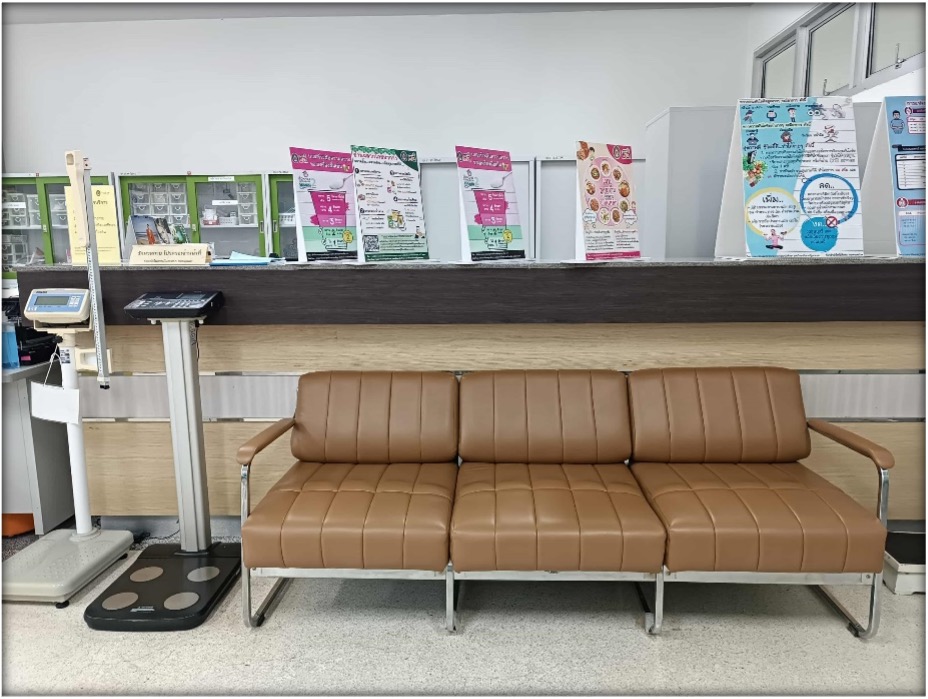
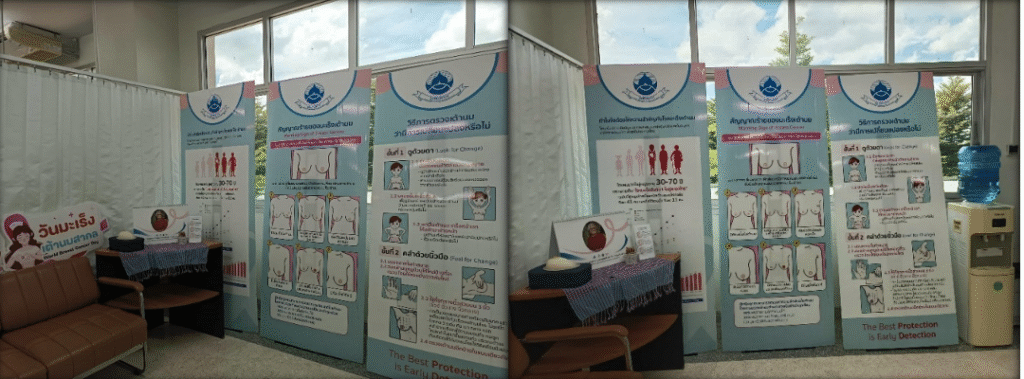
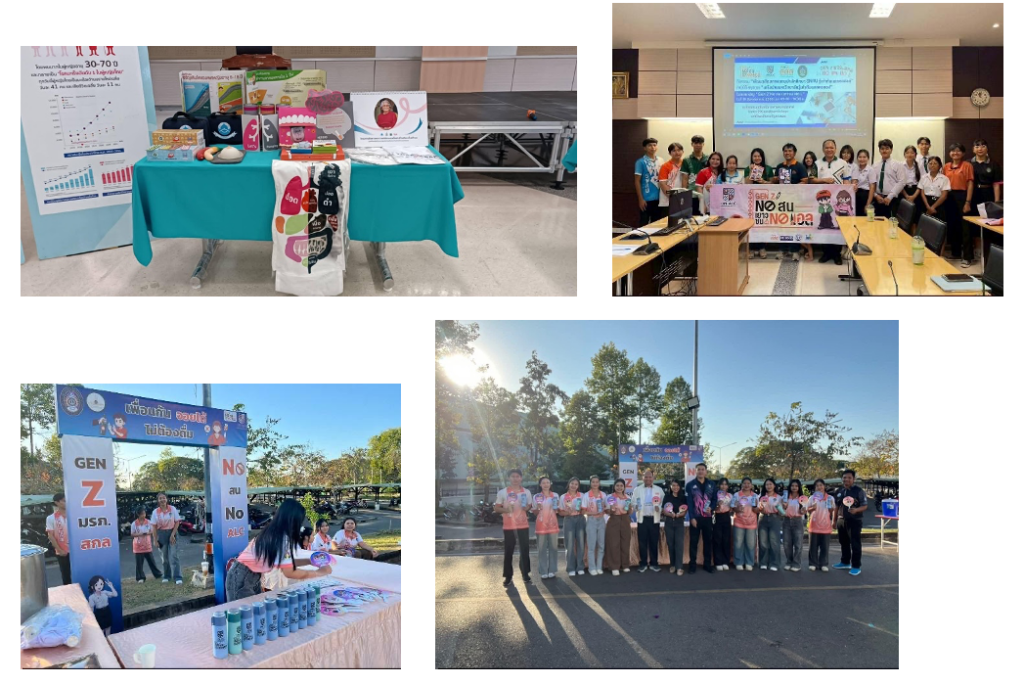
Health Information Corner: The facility features a health information corner with materials that are updated to coincide with significant health awareness days, such as providing knowledge about breast cancer.
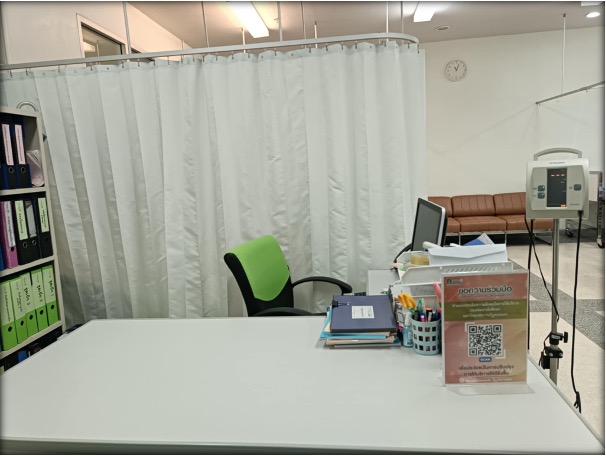
Initial Screening and Assessment: A screening desk for patient history and a waiting area equipped with scales for measuring height, weight, and body mass.
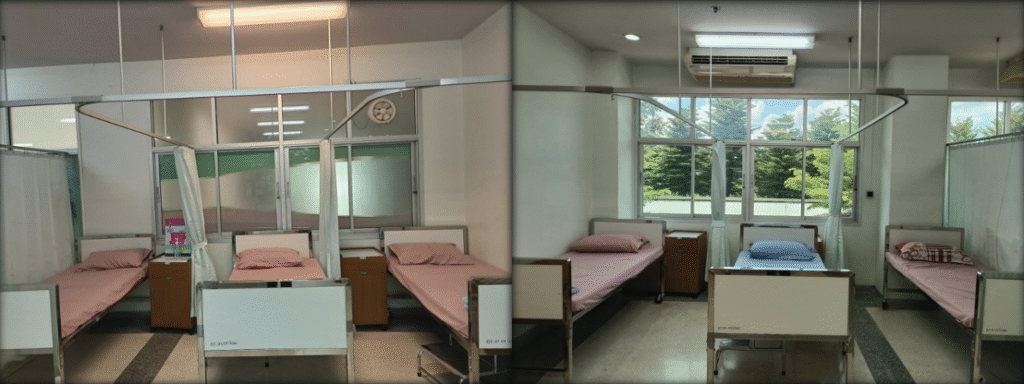
Recovery and Observation Area: Several beds for rest and observation are available, separated by curtains for privacy.
Treatment Room: A dedicated room for wound dressing and other procedures ensures a clean and safe environment.
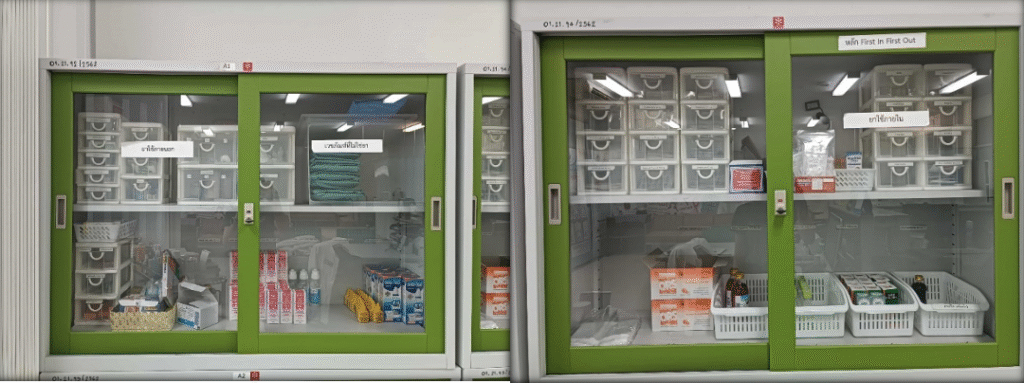
Medical Supplies: Well-organized cabinets store medicine and medical supplies for both students and staff.
Well-being Activities and Programs
In addition to physical facilities, the Health and Sanitation Section also organizes various activities and projects to promote the health of students and staff sustainably.
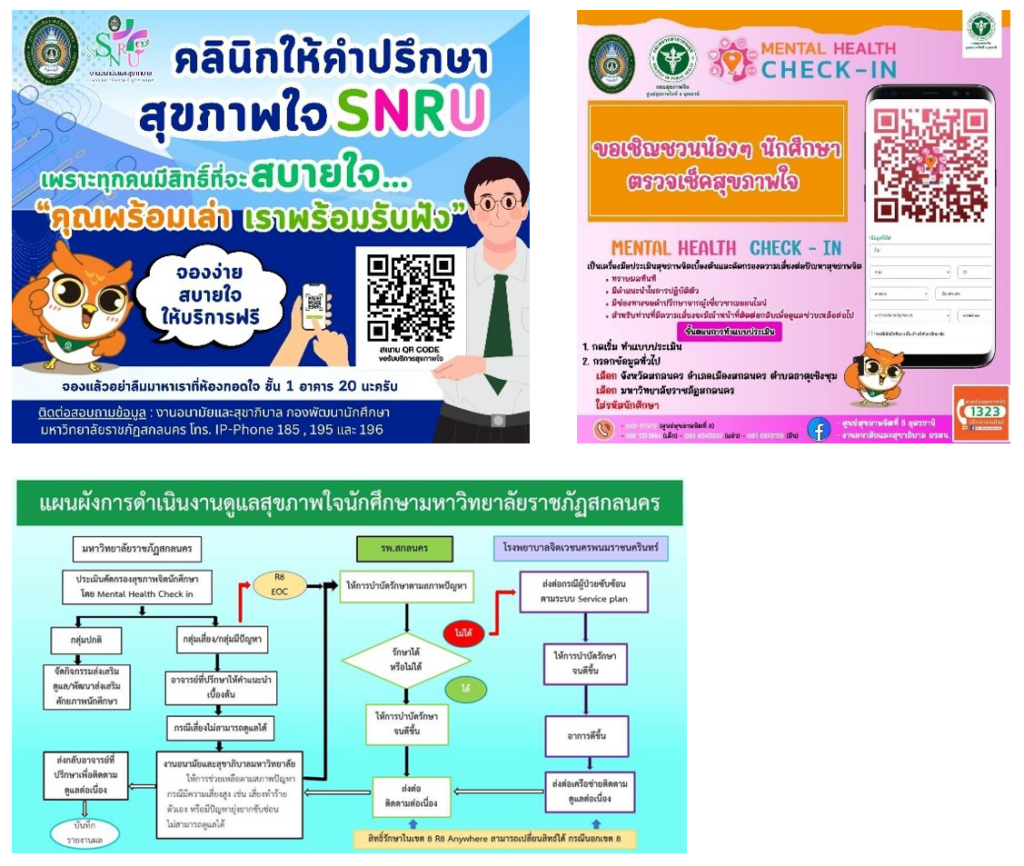
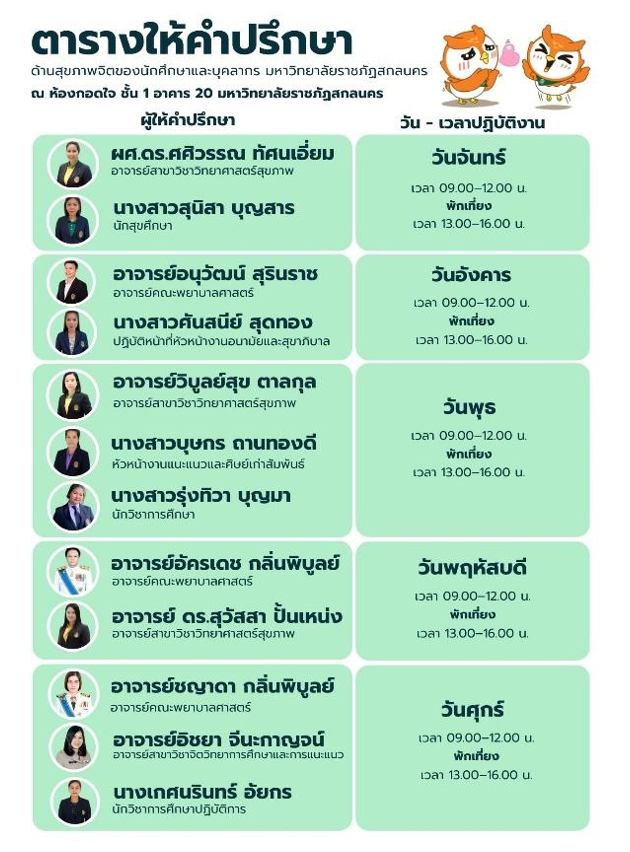
Mental Health Support: 🧠 The university offers a Counseling Clinic (the “Kod-Jai” Room), a safe space for anyone seeking mental health support. Services include an online “Mental Health Check-in” and private, in-person counseling sessions. The clinic operates under the motto “Because everyone has the right to be at ease… When you’re ready to share, we’re ready to listen.”
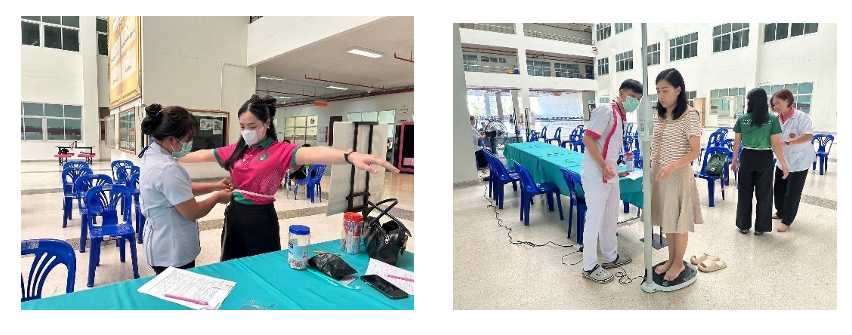
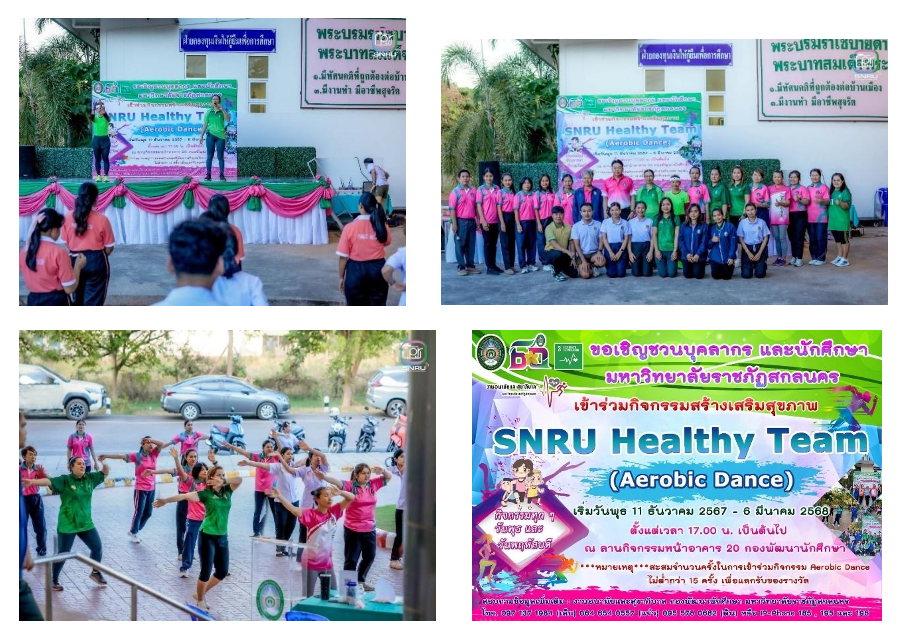
Proactive Health Promotion: The university holds health promotion activities, such as group aerobics, and offers basic health assessment services, including body composition analysis.
Annual Health Check-ups: There is an annual health check-up program for staff as well as a health and mental health screening program for new students to continuously monitor the community’s well-being.
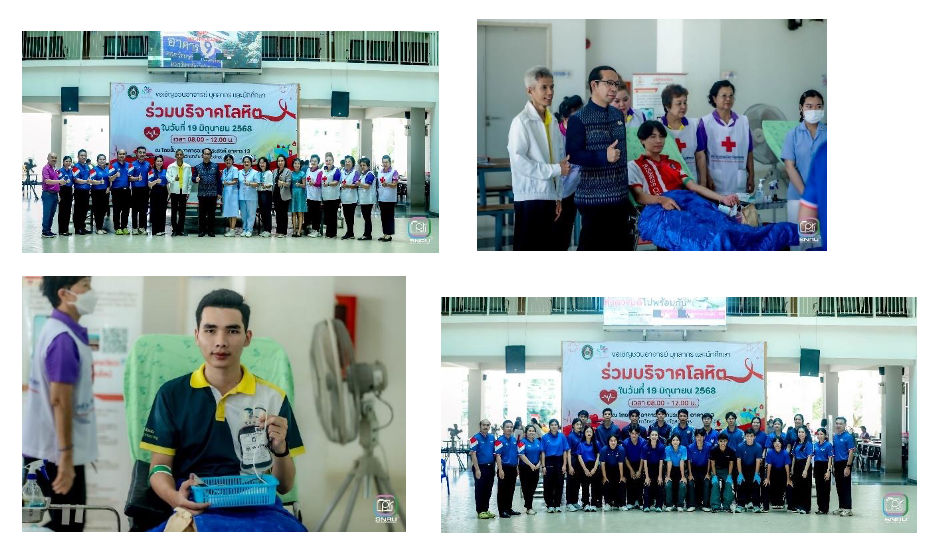
Social Contribution: A blood donation unit is organized on campus, encouraging students and staff to participate in life-saving social activities.
2. Healthcare service
The university health clinic provides comprehensive physical healthcare services, including:
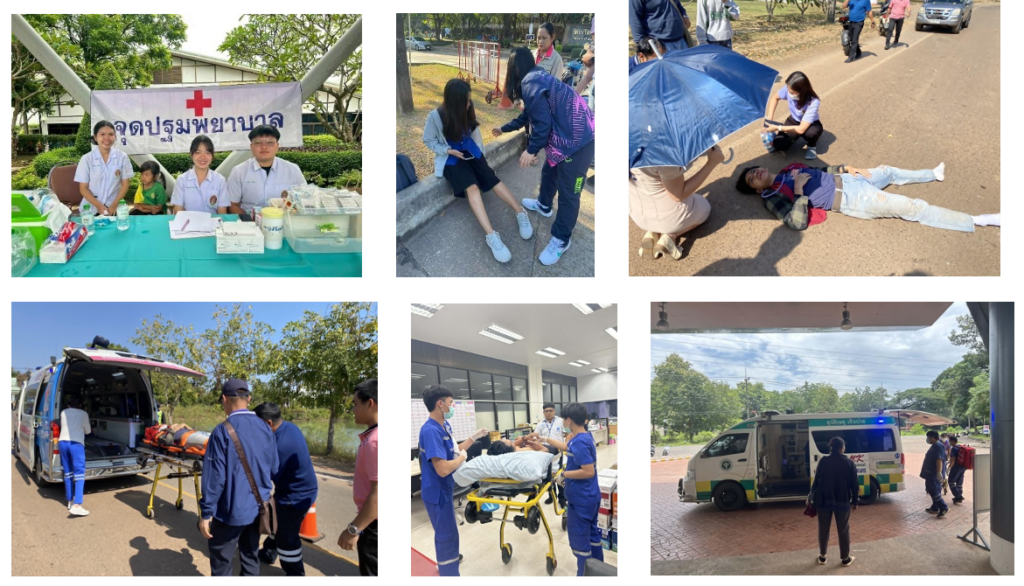
Provision of first aid for illnesses and accidents, including referral to appropriate healthcare facilities when necessary.
Primary health screening services, including the assessment of blood pressure, body weight, height, and body temperature.
Mental Health Services
The university places significant emphasis on promoting and supporting the mental well-being of students and personnel. The university health clinic collaborates with relevant units to provide comprehensive mental health services, including:
– Provision of preliminary mental health counseling and psychological support.
– Screening and assessment of stress, anxiety, and other mental health risk conditions.
– Organization of activities to promote mental well-being and strengthen emotional resilience.
-Monitoring and providing support for students identified as being at risk of mental health concerns.
– Referral of service users to appropriate mental health agencies or healthcare professionals when necessary.
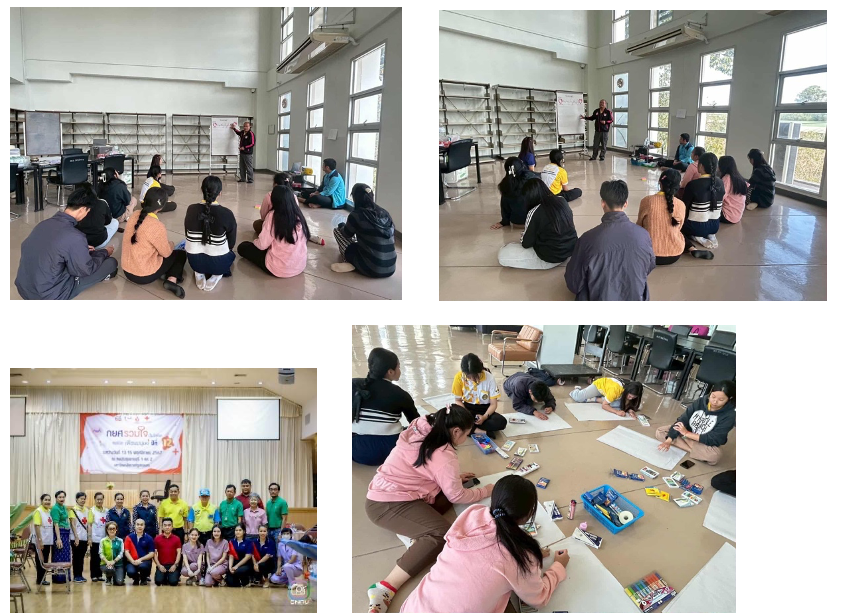
– Conducting educational programs and training activities on mental health awareness, stress management, and the development of positive interpersonal relationships within the university community.
Safety and Emergency Response Preparedness
The university has established emergency preparedness measures to ensure the safety and well-being of students and personnel. These measures include:
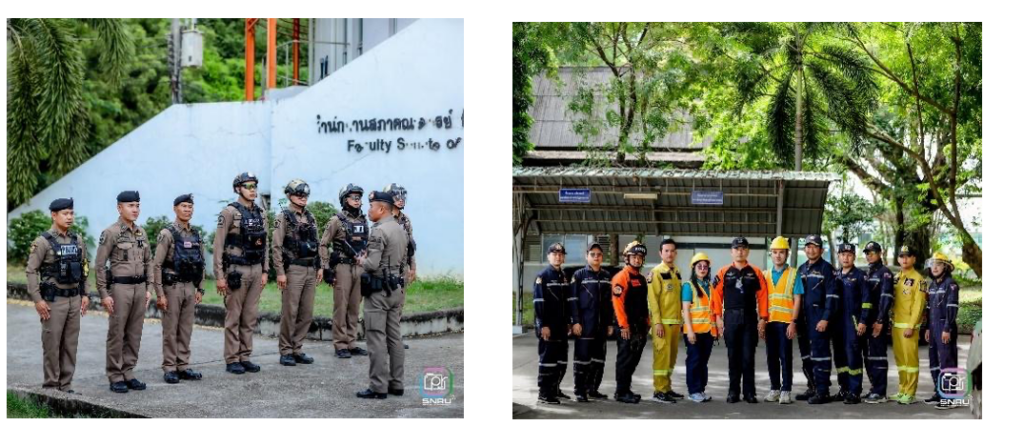
-Provision of first-aid kits in university buildings, student dormitories, activity areas for students and personnel, and the Moral Way of Life School of Sakon Nakhon Rajabhat University.
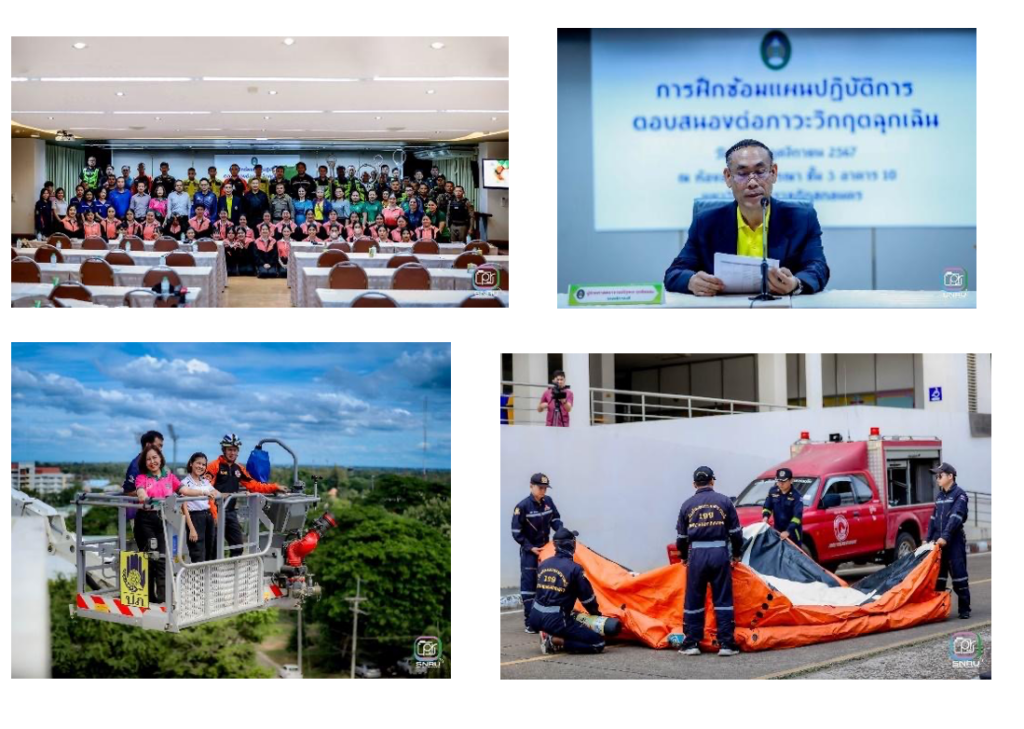
– Regular emergency response and evacuation drills to enhance preparedness and ensure effective response to emergency situations.
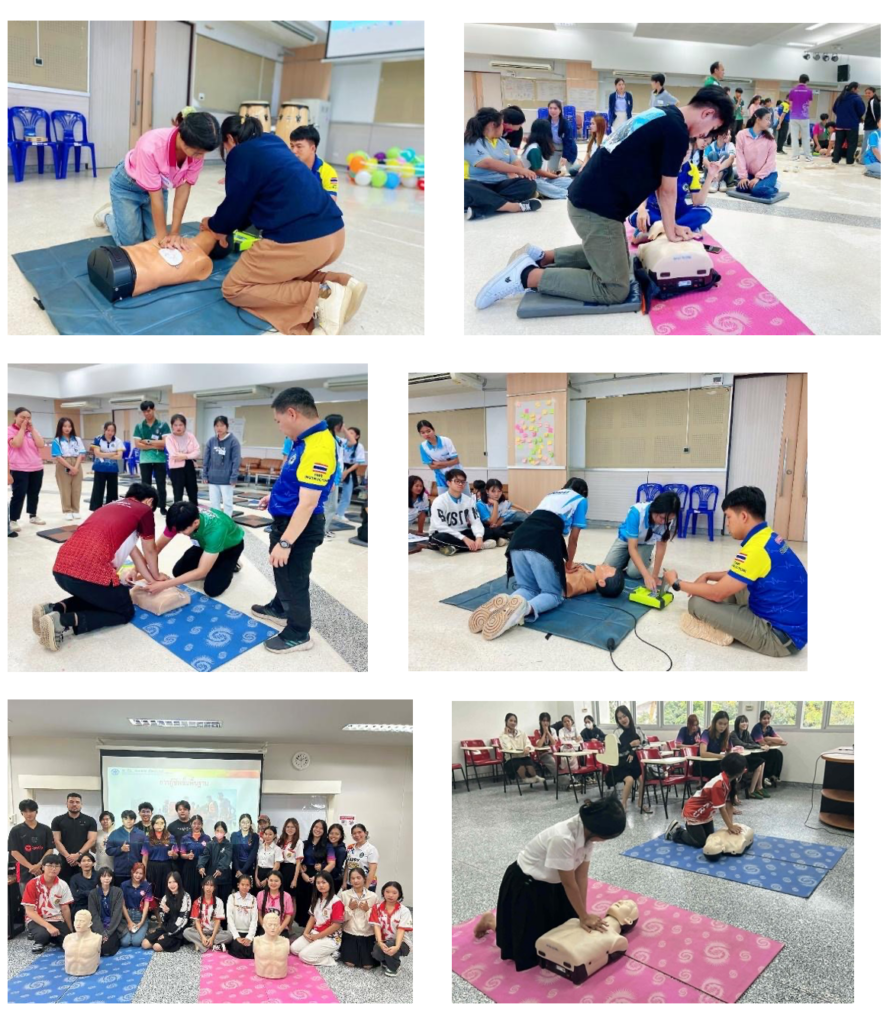
– Training and Capacity Building of Personnel in Cardiopulmonary Resuscitation (CPR) and First Aid.
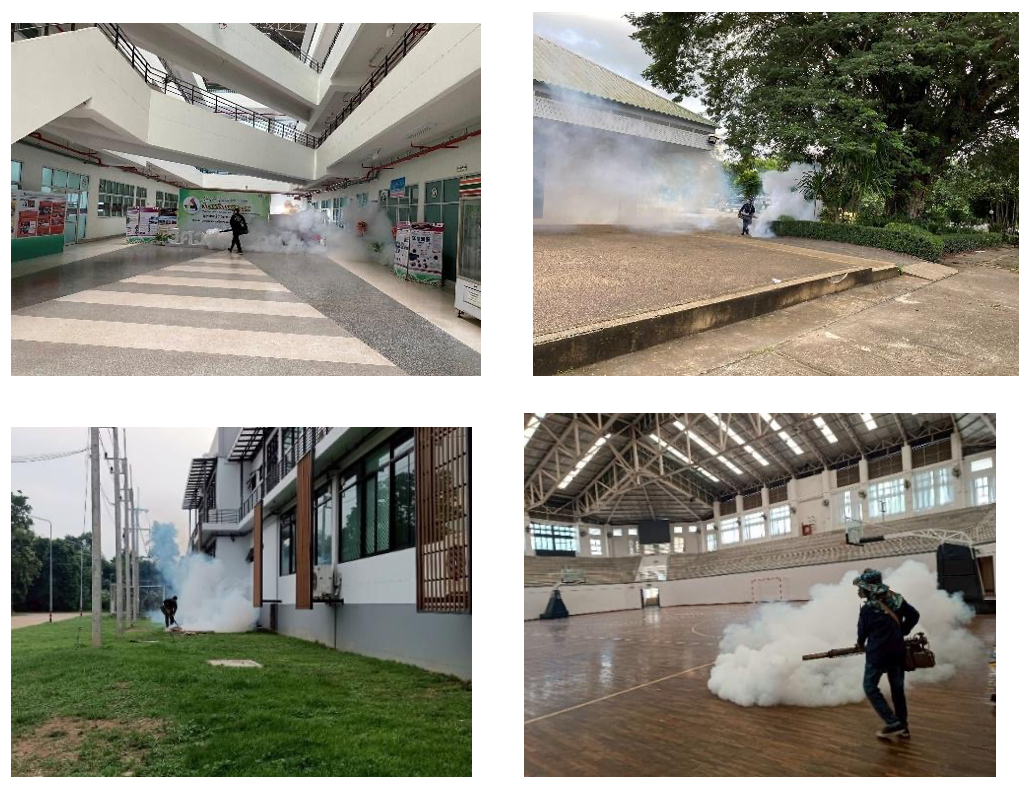
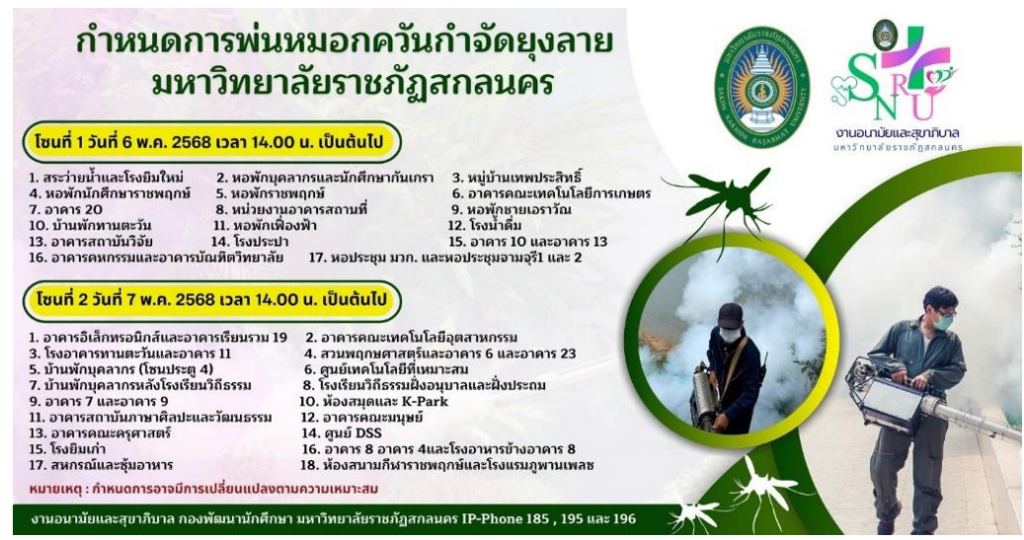
– Implementation of Disease Surveillance, Prevention, and Control Measures Across the University.
Promotion of a Healthy and Supportive Environment
The university is committed to developing an environment that promotes health, well-being, and quality of life for students and personnel. Key initiatives include:
– Implementation of a smoke-free and alcohol-free campus campaign to foster a healthy, safe, and supportive university environment.
– Enhancement of Health and Well-being for Students and University Personnel
– Capacity-Building Program for Student Peer Leaders in Sexual Health and Well-being
– Organization of Blood Donation Activities to Support Community Health and Healthcare Services.
– Implementation of Environmental Sanitation Measures and Hygienic Waste Management Practices to Maintain a Healthy Campus Environment.
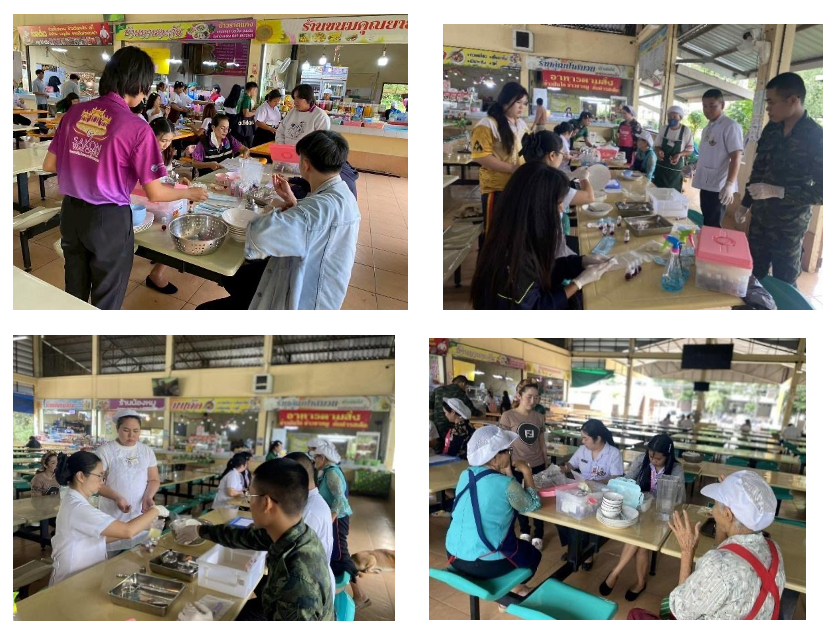
– Promotion of Safe and Healthy Food Consumption Practices.
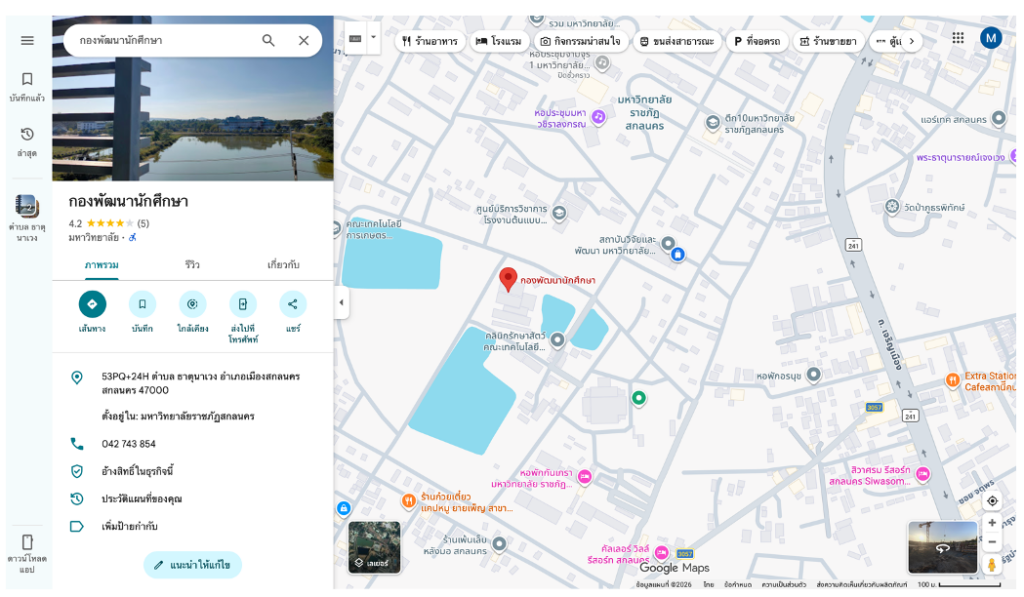
The evidence provided may also include maps showing the location, area size, or distribution of facilities relevant to the indicators
Sakon Nakhon Rajabhat University (SNRU) demonstrates a structured, significant impact on the United Nations Sustainable Development Goals (SDGs) through its diverse portfolio of education, research, and community outreach programs. As documented in the university’s institutional reporting and performance showcases, the curriculum and academic initiatives directly support at least 6 to 7 distinct SDGs: This comprehensive […]
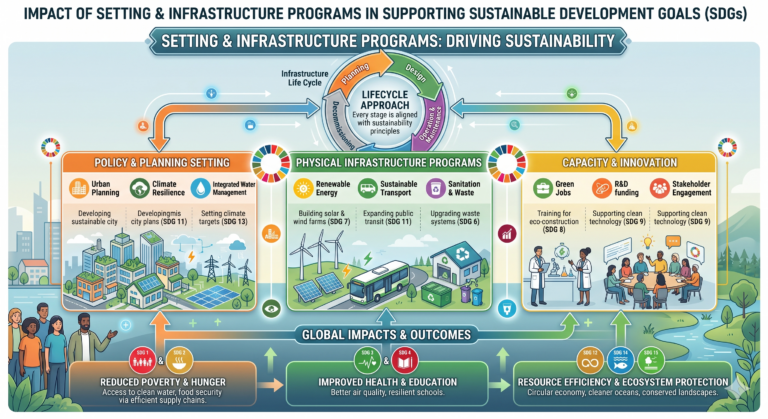
The Impact of Setting & Infrastructure Programs on Supporting the Sustainable Development Goals (SDGs) Sakon Nakhon Rajabhat University (SNRU) Sakon Nakhon Rajabhat University (SNRU) strategically leverages its physical master plan, spatial resources, and safety infrastructure to drive progress toward the United Nations Sustainable Development Goals (SDGs). By transitioning the campus into a functional “Living Laboratory,” […]