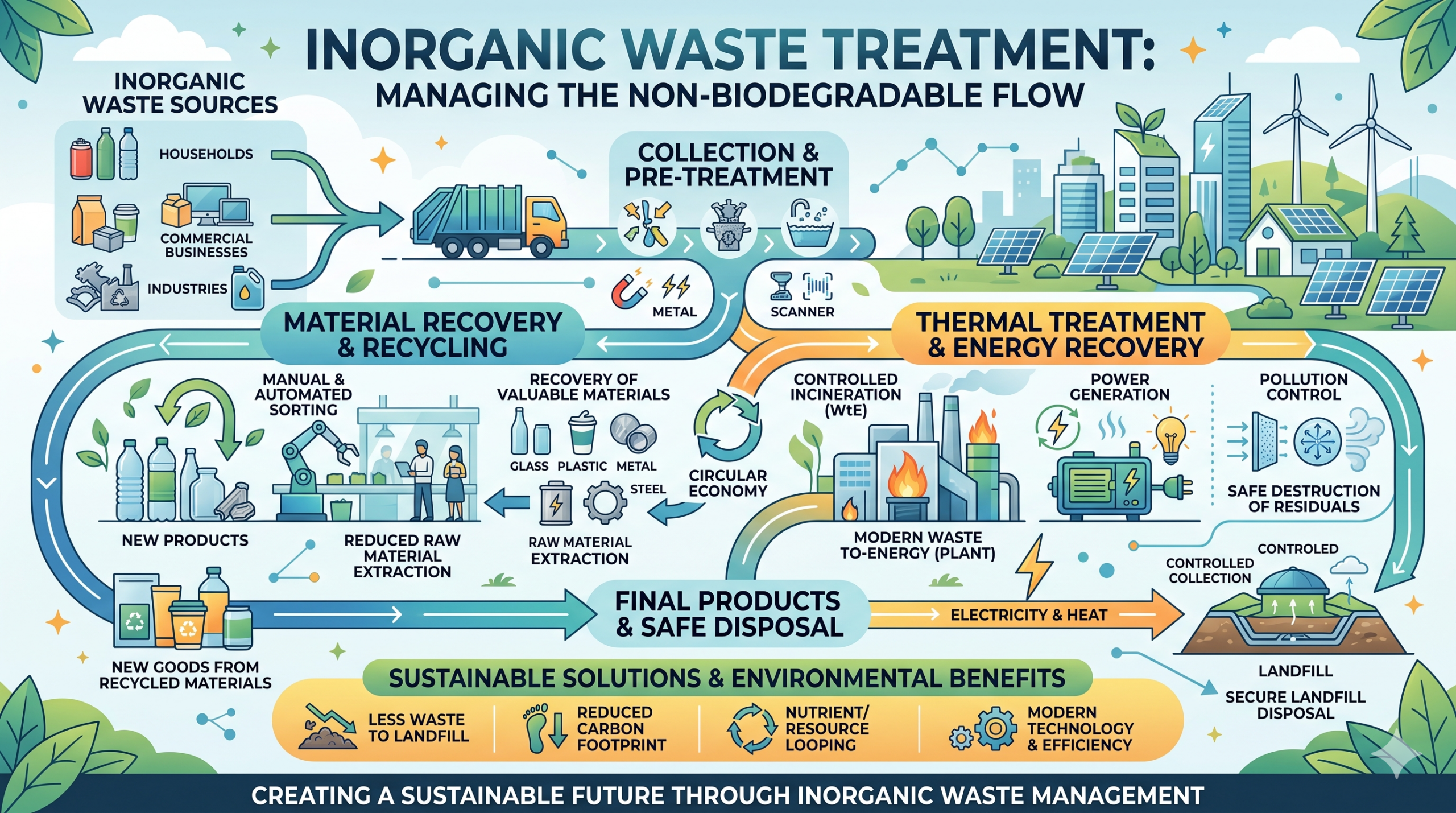
Inorganic waste treatment is an important aspect of sustainable campus management under the UI GreenMetric framework. Then, universities are encouraged to implement effective inorganic waste management practices, including waste segregation, recycling, and reuse, to minimize environmental impacts, reduce landfill disposal, and promote resource efficiency and circular economy principles within the campus community.
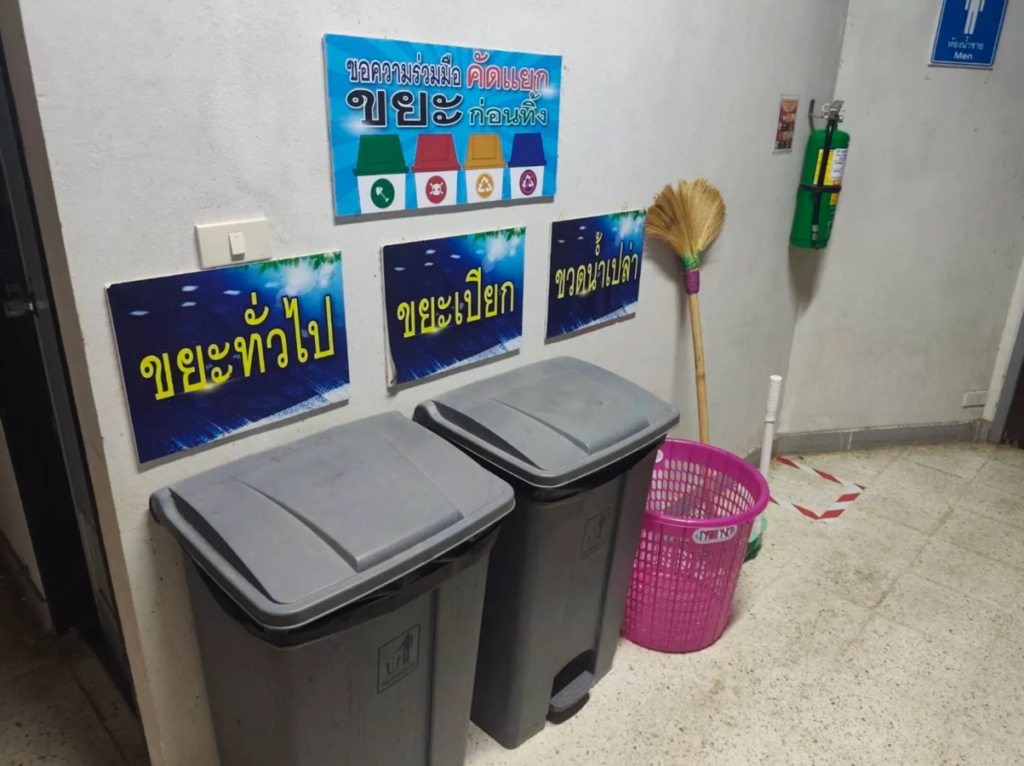
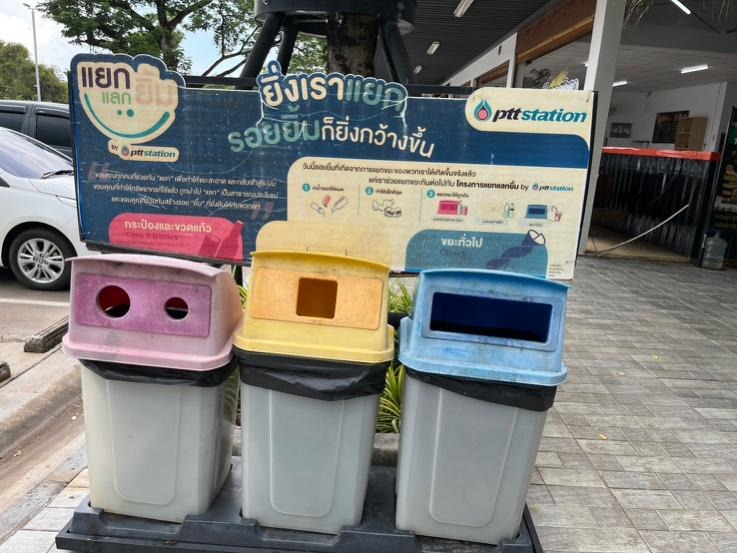
The university implements inorganic waste treatment through a source-segregation system using clearly labeled waste bins placed throughout campus facilities. Accordingly, the waste materials are separated into different categories, including general waste, wet waste, and recyclable waste, to facilitate appropriate collection, recycling, and disposal processes. Then, recyclable materials, such as plastic, paper, metal, and glass, are collected separately and transferred to recycling facilities for further processing and resource recovery. Obviously, this waste segregation practice enhances recycling efficiency, reduces the volume of waste sent to landfills, minimizes environmental impacts, and promotes sustainable waste management in accordance with the UI GreenMetric framework and circular economy principles.
Waste Type
Proportion (%)
Volume (m3/day)
Average Density (kg/m3)
Weight (kg/day)
Plastic
50%
4.00
65
260
Paper
15%
1.20
100
120
Glass
5%
0.40
400
160
Others
30%
2.40
180
432
Total
100%
8.00
–
972 kg/day
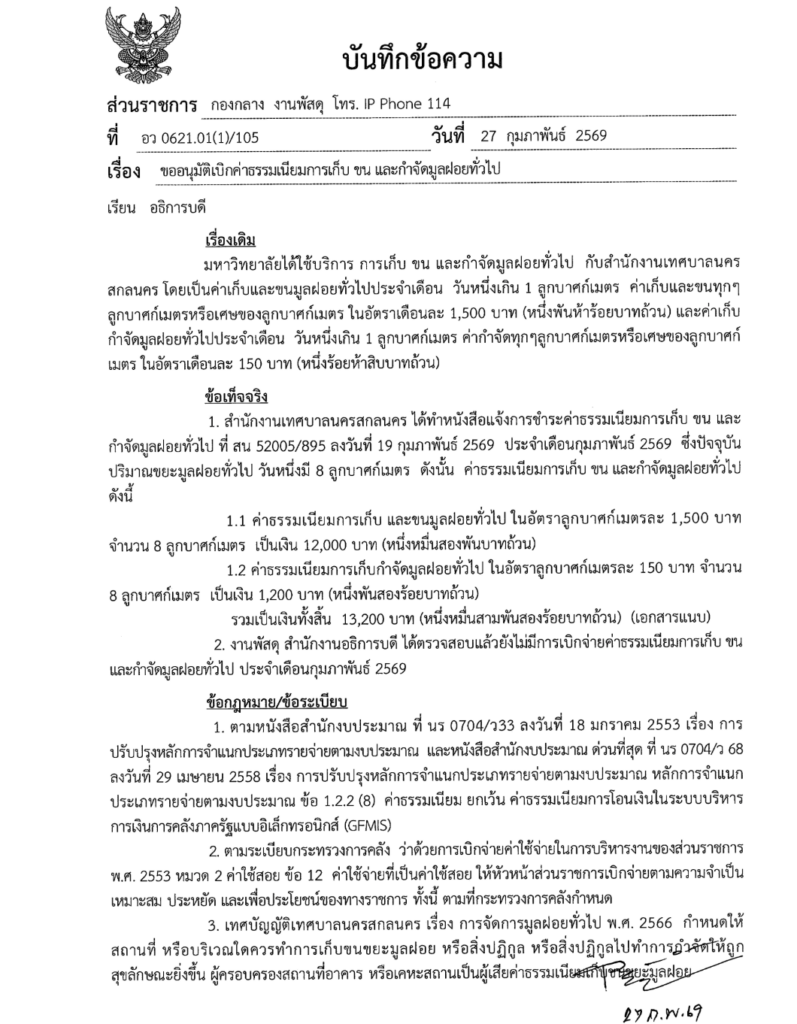
1. Municipal Partnership for Non-Recyclable Inorganic Waste Treatment
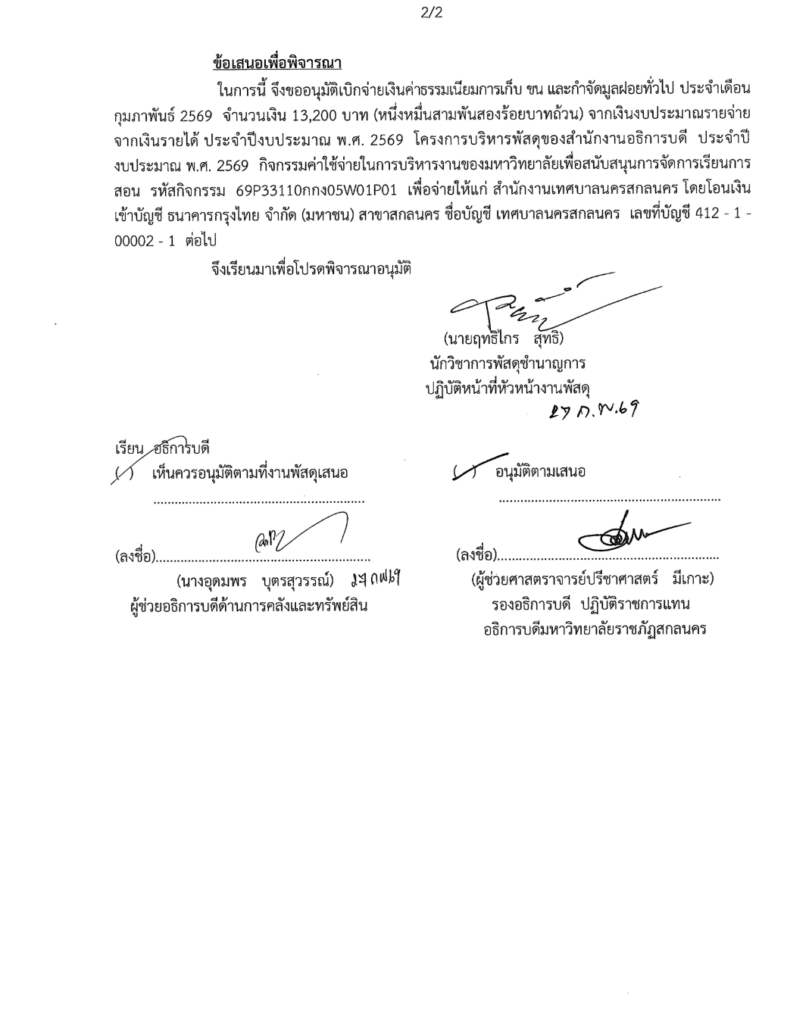
The bottom section of the memo outlines the formal partnership between the university and the local municipality for daily waste treatment:
The Treatment Partner: The university relies on Sakon Nakhon City Municipality to manage, collect, and systematically dispose of its non-recyclable general waste.
Volume and Capacity Management: The data shows the university manages a consistent volume of general waste averaging 8 cubic meters per day ($\text{m}^3/\text{day}$).
Regulatory Compliance & Budgeting: The university systematically budgets and pays municipal disposal fees based on exact volumetric rates (e.g., handling baseline volumes under a specific fee tier and paying a standardized monthly collection and disposal fee, which amounted to 13,200 Baht for the highlighted month). This demonstrates that the university’s daily inorganic trash output is legally integrated into a safe municipal waste-to-disposal stream.
2. Material Recovery and Value-Added Recycling (Scrap & E-Waste)
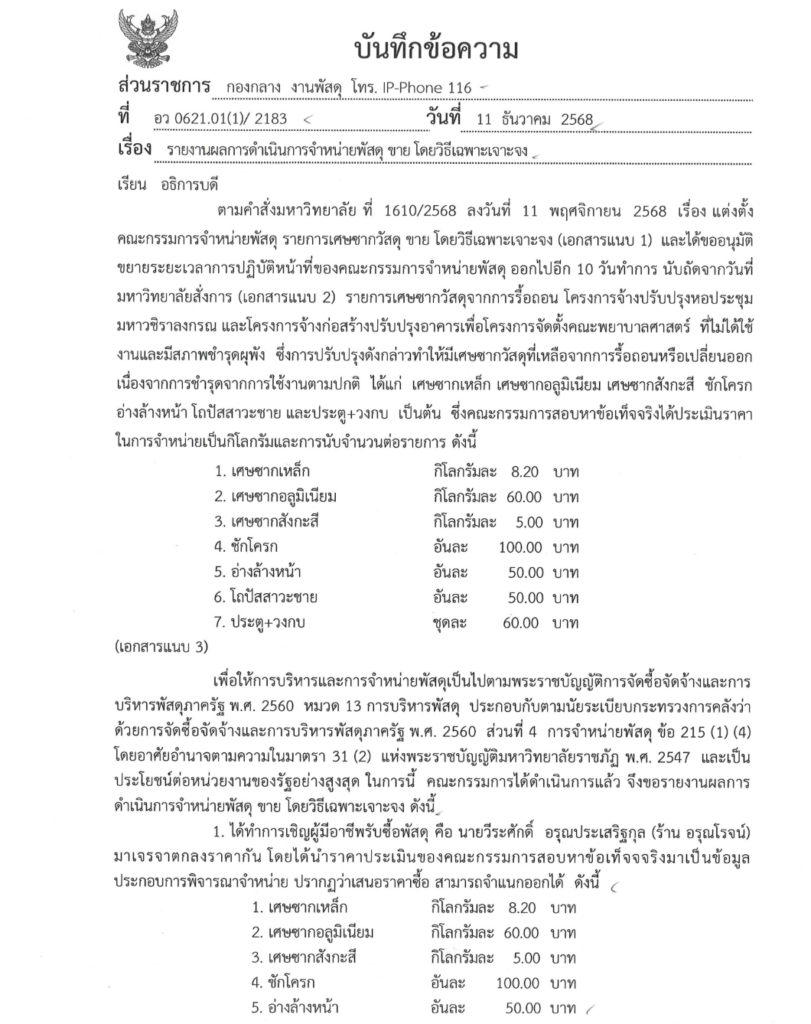
The top section of the memo details how the university separates high-value, durable inorganic materials from the general waste stream instead of sending them to landfills. This represents a solid Material Recovery and Circular Economy practice:
Asset Salvaging and Sorting: When buildings are renovated or dismantled, items are sorted into specific inorganic material categories rather than being thrown away.
Separation of Recyclable Materials: The document lists precise categories of recovered inorganic commodities sold to certified local recycling vendors, including:
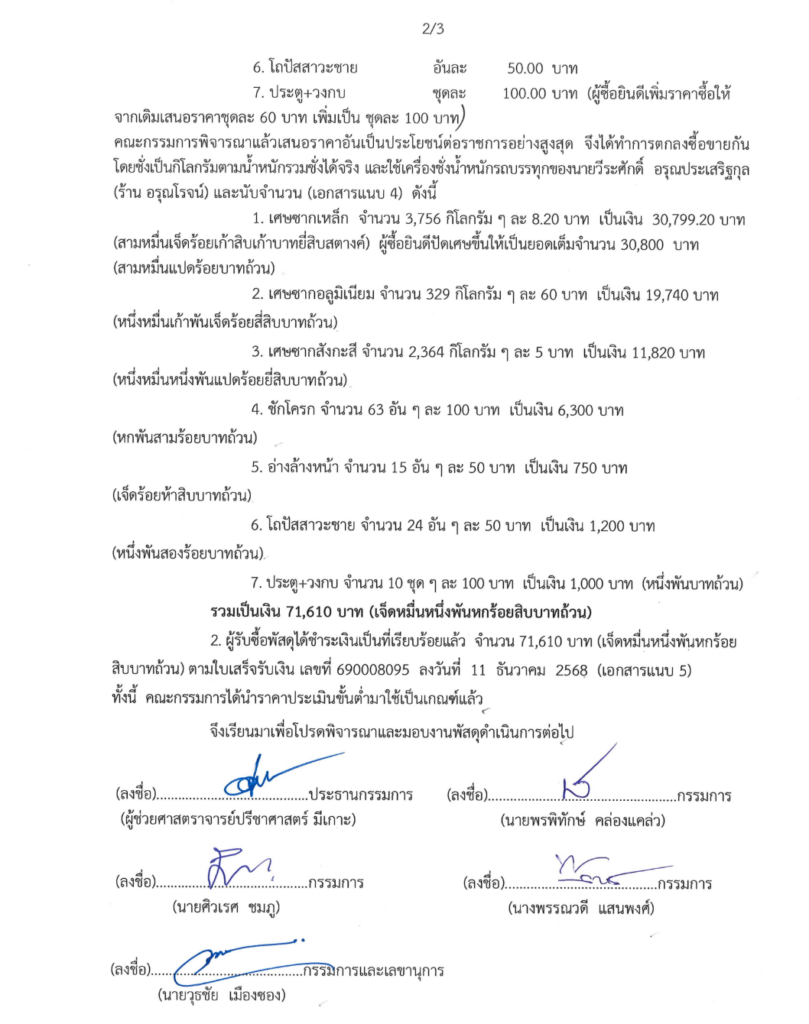
Scrap Metals: Scrap iron (3,756 kg), scrap aluminum (329 kg), and scrap zinc (2,364 kg).
Durable Fixtures: Toilets, sinks, urinals, doors, and windows.
Environmental & Economic Benefit: By converting over 6.4 tons of scrap metal and fixtures back into the industrial manufacturing cycle, the university actively reduces raw resource extraction, diverts massive bulk waste from landfills, and generates revenue (71,610 Baht in this instance) to reinvest into campus sustainability initiatives.
Types of Waste Sold in B.E. 2568 (2025)
Item
Quantity
Value (Baht)
Heavy scrap iron
3,756 kg
30,799.20
Aluminium scrap
329 kg
19,740.00
Brass scrap
2,364 kg
11,820.00
Steel drums
63 drums
6,300.00
Fabric boxes / crates
15 crates
750.00
Wooden tables (as-is condition)
24 units
1,200.00
Doors and door frames
10 sets
1,000.00
Executive Summary
Sakon Nakhon Rajabhat University has proceeded with the sale of damaged and deteriorated materials through a specific selection method, following a public auction that received no bidders. The university was able to sell 7 categories of materials, namely scrap iron, aluminium, brass, steel drums, fabric boxes, wooden tables, and doors/door frames. The total revenue generated from the sale amounted to 71,610 Baht, and the buyers have successfully completed the payment to the university.
Sakon Nakhon Rajabhat University (SNRU) demonstrates a structured, significant impact on the United Nations Sustainable Development Goals (SDGs) through its diverse portfolio of education, research, and community outreach programs. As documented in the university’s institutional reporting and performance showcases, the curriculum and academic initiatives directly support at least 6 to 7 distinct SDGs: This comprehensive […]
Integrated Impact of Waste Management Programs on the Sustainable Development Goals (SDGs) While the university’s baseline framework originates from SDG 12: Responsible Consumption and Production, the operational practices executed by the Buildings and Vehicles Ground Division demonstrate a powerful, systemic impact that cuts across multiple global goals. ♻️ SDG 12: Responsible Consumption and Production (Core […]