Campaigning for personnel within the Buildings, Grounds, and Vehicles Division to recycle and manage leftover materials by processing them into original or new forms. This initiative includes:
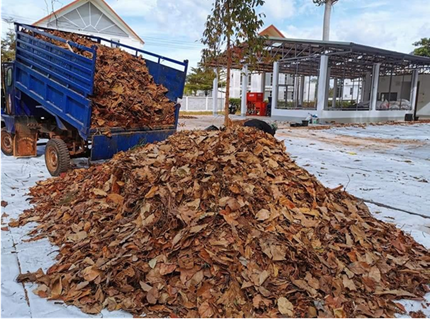
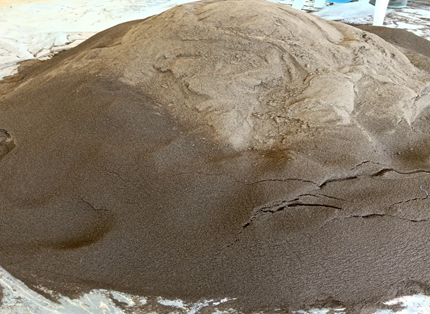
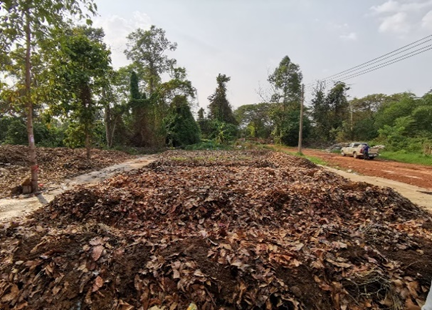
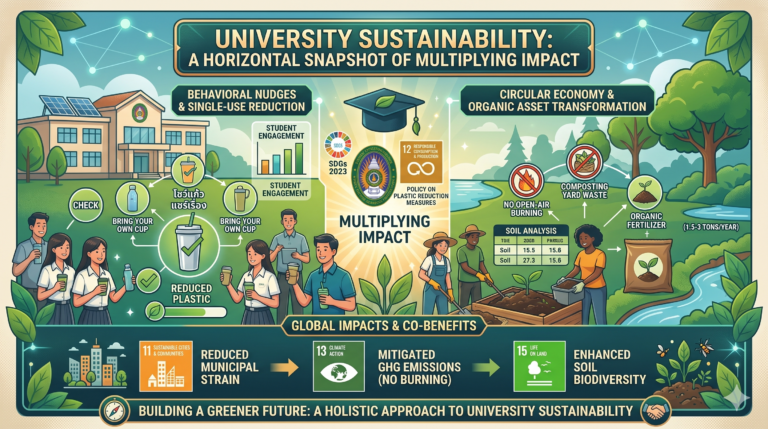
Producing compost from fallen leaves and organic yard waste, which successfully converts campus landscape debris into nutrient-rich soil fertilizer. Through this continuous effort, the division is capable of producing 1.5 to 3 tons of organic compost per year, significantly reducing waste sent to landfills and returning nutrients to the university’s green ecosystems.
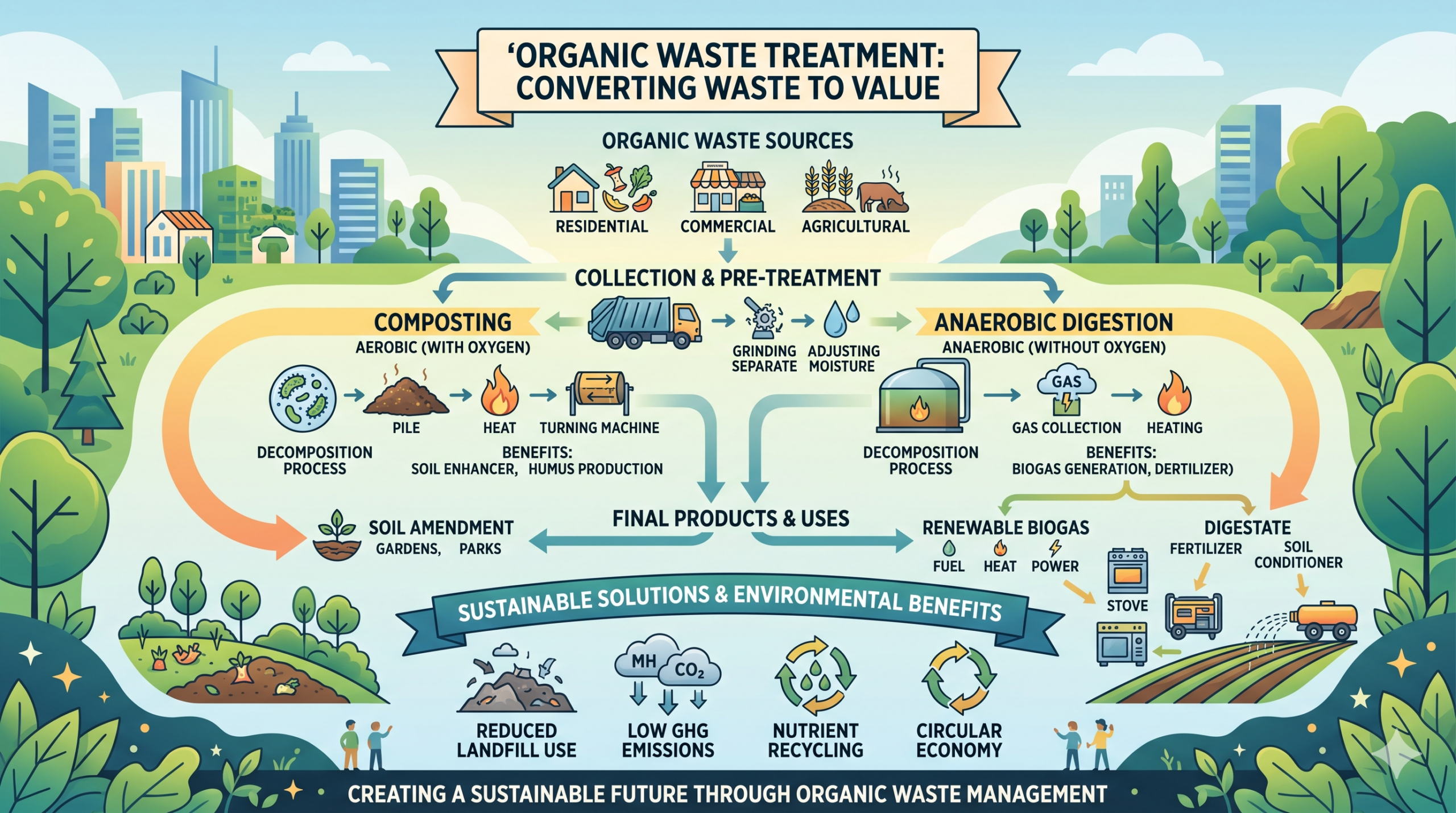
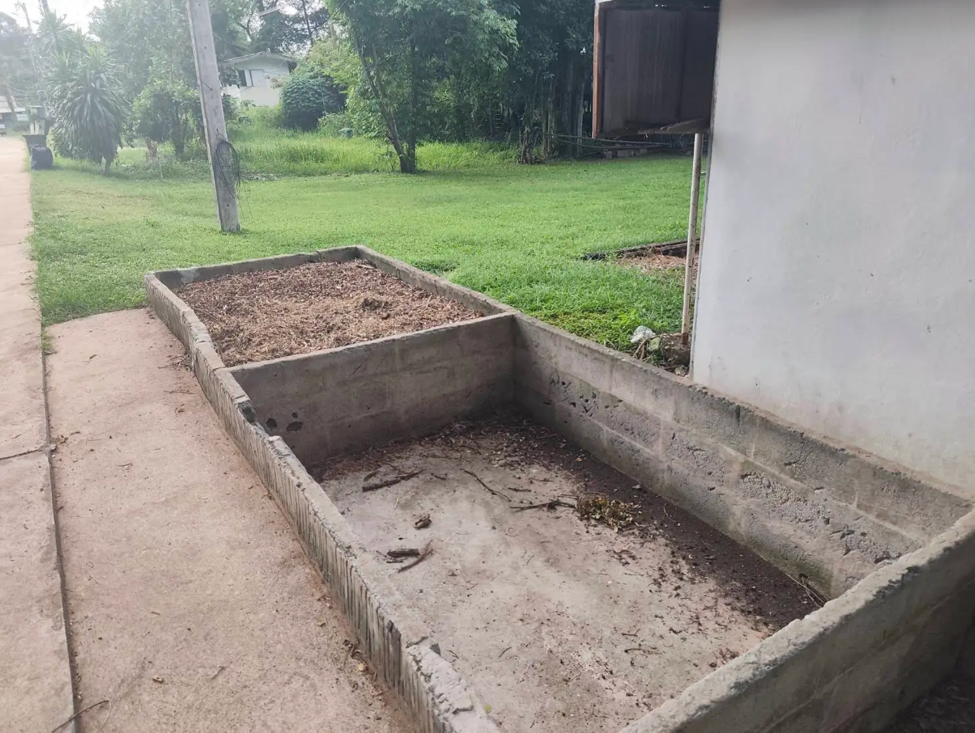
The university implements organic waste treatment through a compartment-based composting system constructed from concrete structures. This facility is designed to process biodegradable waste, including fallen leaves, grass clippings, and other organic materials generated within the campus. The composting process involves the natural decomposition of organic matter by microorganisms under controlled aerobic conditions. Furthermore, organic waste is collected and placed in the composting compartments, where it undergoes biological degradation through regular turning and moisture management. The resulting compost is subsequently utilized as an organic soil amendment for landscaping and green area maintenance within the university. This practice contributes to reducing the volume of waste disposed of in landfills, minimizing greenhouse gas emissions and promoting resource recovery and circular economy principles, thereby supporting the university’s sustainability objectives and the UI GreenMetric waste management criteria.
Sakon Nakhon Rajabhat University (SNRU) demonstrates a structured, significant impact on the United Nations Sustainable Development Goals (SDGs) through its diverse portfolio of education, research, and community outreach programs. As documented in the university’s institutional reporting and performance showcases, the curriculum and academic initiatives directly support at least 6 to 7 distinct SDGs: This comprehensive […]
Integrated Impact of Waste Management Programs on the Sustainable Development Goals (SDGs) While the university’s baseline framework originates from SDG 12: Responsible Consumption and Production, the operational practices executed by the Buildings and Vehicles Ground Division demonstrate a powerful, systemic impact that cuts across multiple global goals. ♻️ SDG 12: Responsible Consumption and Production (Core […]