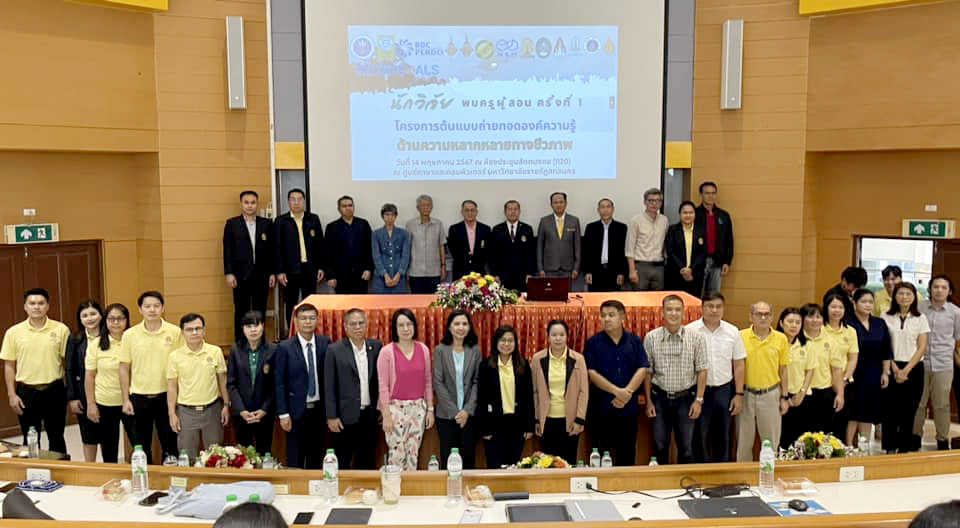
Sakon Nakhon Rajabhat University (SNRU) is spearheading a robust, two-pronged strategy to advance biodiversity conservation and promote sustainable land management across Thailand’s Northeast, integrating both academic research and direct community action. The commitment was showcased in two significant events this year. On March 3, 2024, the university’s Hub Mekong NRDC BDC led a crucial community engagement project in the Phanna Nikhom District. This initiative involved residents from the Ban Suan Kluay community, alongside researchers, in efforts to restore native plant species and safeguard the local ecosystem. Key activities included the demarcation and installation of boundary signs for the Community Forest to prevent encroachment and a vital knowledge exchange that blended scientific understanding with local wisdom. The project’s central goal is to protect the area as a vital natural resource bank and ensure the long-term sustainability of the community forest. Following this, on May 14, 2024, the university hosted an academic workshop focused on “Knowledge Transfer and Collaborative Research for Biodiversity Conservation in the Mekong River Basin.” Chaired by the Vice President, the event convened scientists and researchers to build a network aimed at developing sustainable resource management guidelines for local communities and educational institutions. The workshop specifically addressed operational strategies, teaching methodologies for conservation, and the dissemination of research findings on cultural anthropology and biodiversity. These integrated efforts underscore SNRU’s leading role in fostering collaborative, evidence-based solutions for conservation and sustainable land use in the region.
Sakon Nakhon Rajabhat University (SNRU) demonstrates a structured, significant impact on the United Nations Sustainable Development Goals (SDGs) through its diverse portfolio of education, research, and community outreach programs. As documented in the university’s institutional reporting and performance showcases, the curriculum and academic initiatives directly support at least 6 to 7 distinct SDGs: This comprehensive […]
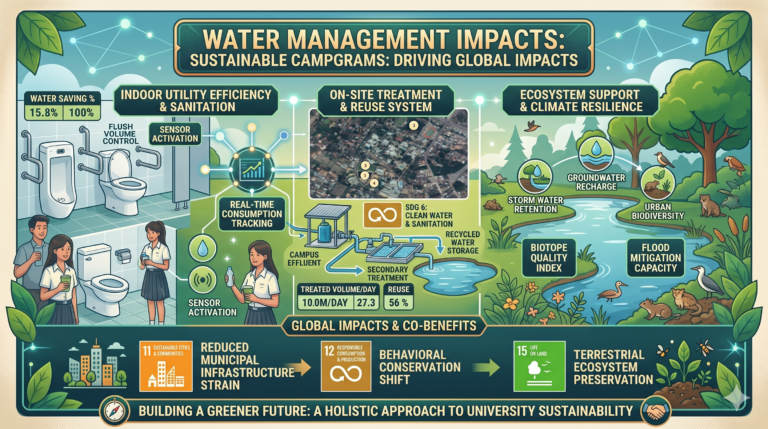
Integrated Impact of Water Management Programs on the SDGs The university’s water management initiatives are driven by a holistic framework. While centered around clean water infrastructure, the program generates cross-cutting impacts that simultaneously support four distinct Sustainable Development Goals (SDGs): [ SDG 6: Clean Water ] │ ┌────────────────────────┼────────────────────────┐ ▼ ▼ ▼ […]
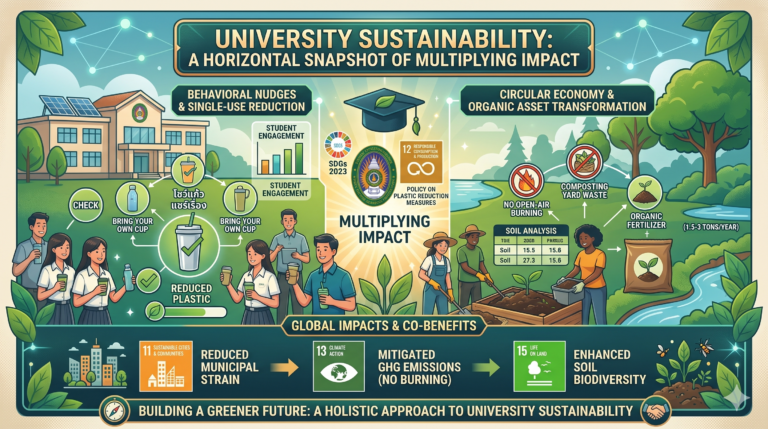
Integrated Impact of Waste Management Programs on the Sustainable Development Goals (SDGs) While the university’s baseline framework originates from SDG 12: Responsible Consumption and Production, the operational practices executed by the Buildings and Vehicles Ground Division demonstrate a powerful, systemic impact that cuts across multiple global goals. ♻️ SDG 12: Responsible Consumption and Production (Core […]