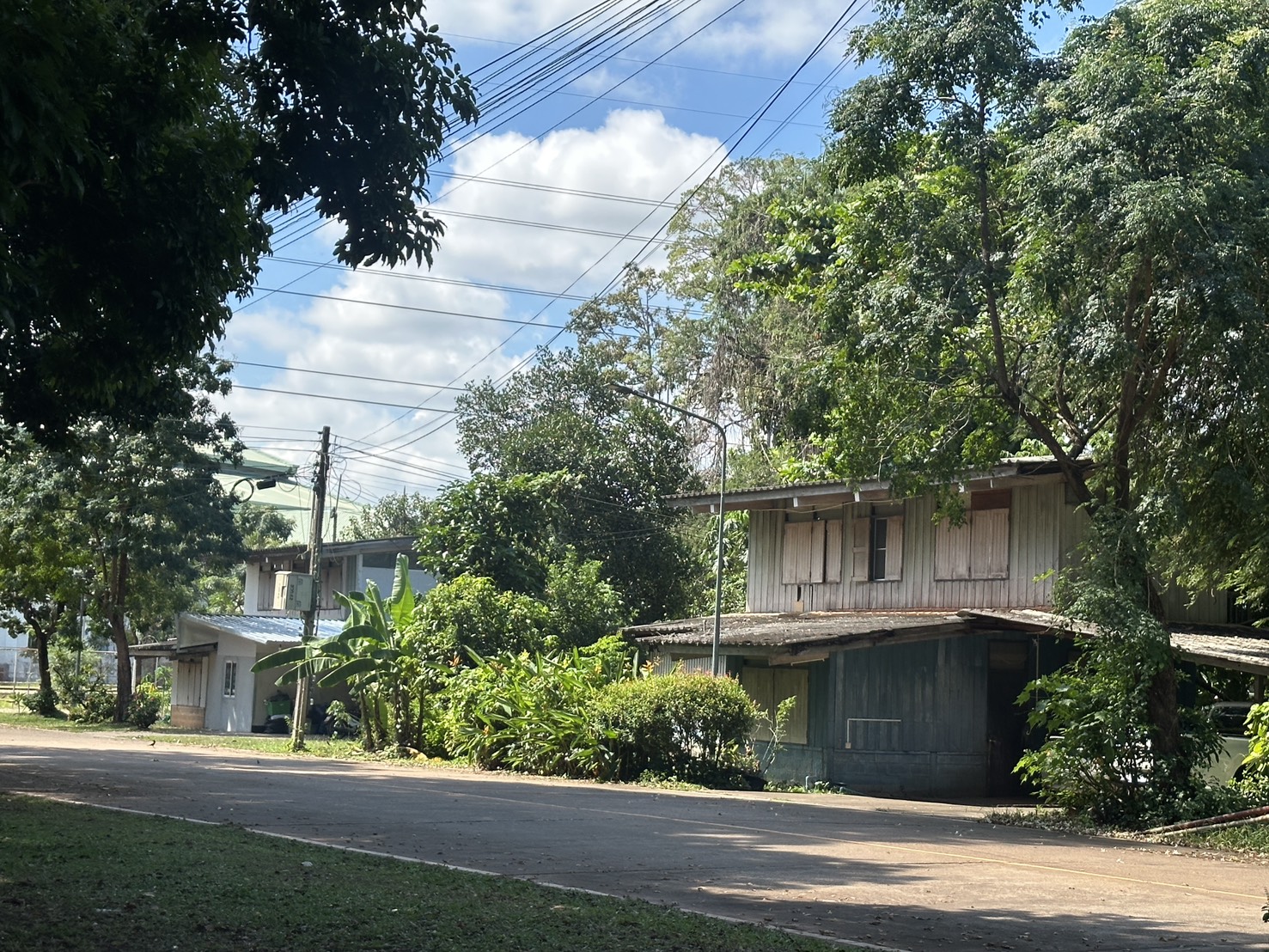
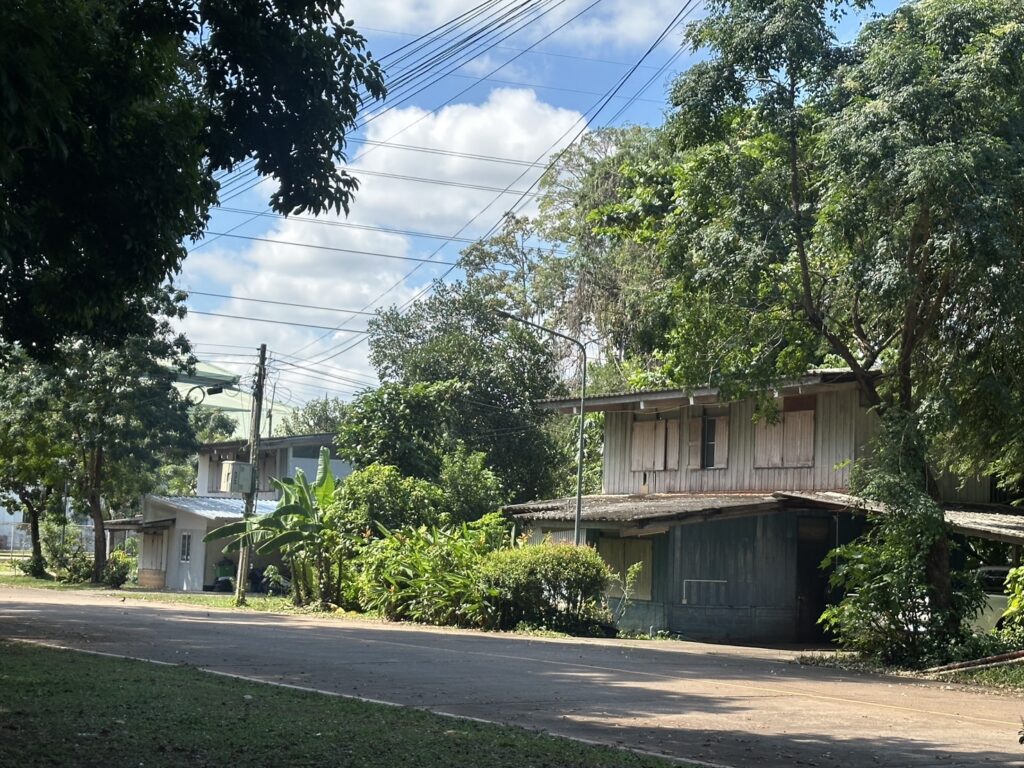
SNRU provides various subsidized housing options to both staff and students, making campus life more accessible and cost-effective. For students, the university offers dedicated dormitory facilities (as seen in the images) that provide safe and economical accommodation. For employees, the support extends to both dormitory-style apartments and detached staff houses, catering to diverse needs and family sizes. This comprehensive housing policy helps reduce the financial burden on individuals, allowing students to focus more intently on their studies and enabling staff to remain focused on teaching and research. By offering affordable and well-maintained residential spaces, SNRU is actively promoting a supportive and sustainable campus environment for everyone. These facilities are strategically located to minimize commuting costs and time, directly contributing to the university’s sustainability goals. Furthermore, the housing supports a sense of community, fostering stronger connections among residents. This proactive approach ensures a high quality of life for all members, making SNRU an attractive and inclusive place to live, study, and work.
Sakon Nakhon Rajabhat University (SNRU) is a university for local development under the Rajabhat University Act B.E. 2547 (2004). Through its Local Development Strategy, it helps make Sakon Nakhon and the surrounding area liveable, safe, resilient, and sustainable. In FY2025, SNRU ran 38 main projects under this strategy, broken down into 208 sub-projects in 64 […]
Sakon Nakhon Rajabhat University (SNRU) demonstrates a structured, significant impact on the United Nations Sustainable Development Goals (SDGs) through its diverse portfolio of education, research, and community outreach programs. As documented in the university’s institutional reporting and performance showcases, the curriculum and academic initiatives directly support at least 6 to 7 distinct SDGs: This comprehensive […]
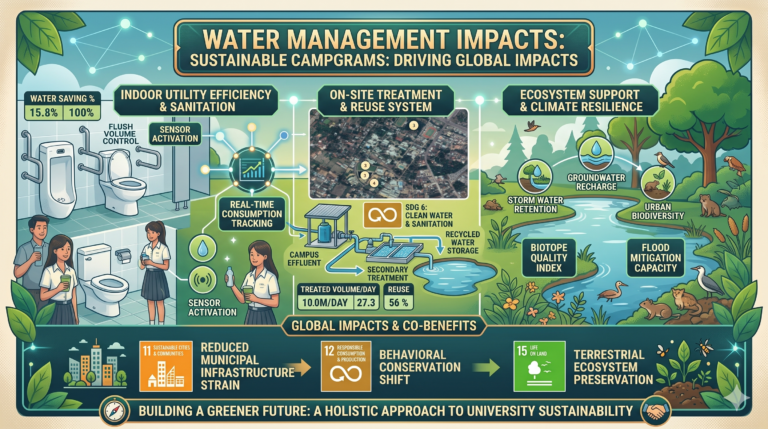
Integrated Impact of Water Management Programs on the SDGs The university’s water management initiatives are driven by a holistic framework. While centered around clean water infrastructure, the program generates cross-cutting impacts that simultaneously support four distinct Sustainable Development Goals (SDGs): [ SDG 6: Clean Water ] │ ┌────────────────────────┼────────────────────────┐ ▼ ▼ ▼ […]