Water Recycling Program (Sakon Nakhon Rajabhat University, Thailand)
Water pumping system and water tanker used for irrigation of campus green areas and landscape maintenance.
Water Reuse Rate Calculation
Item
Volume (m³/year)
Wastewater Generated
124,264.80
Treated Wastewater
99,411.84
Reused/Recycled Water
10,944.00
Formula
Calculation:
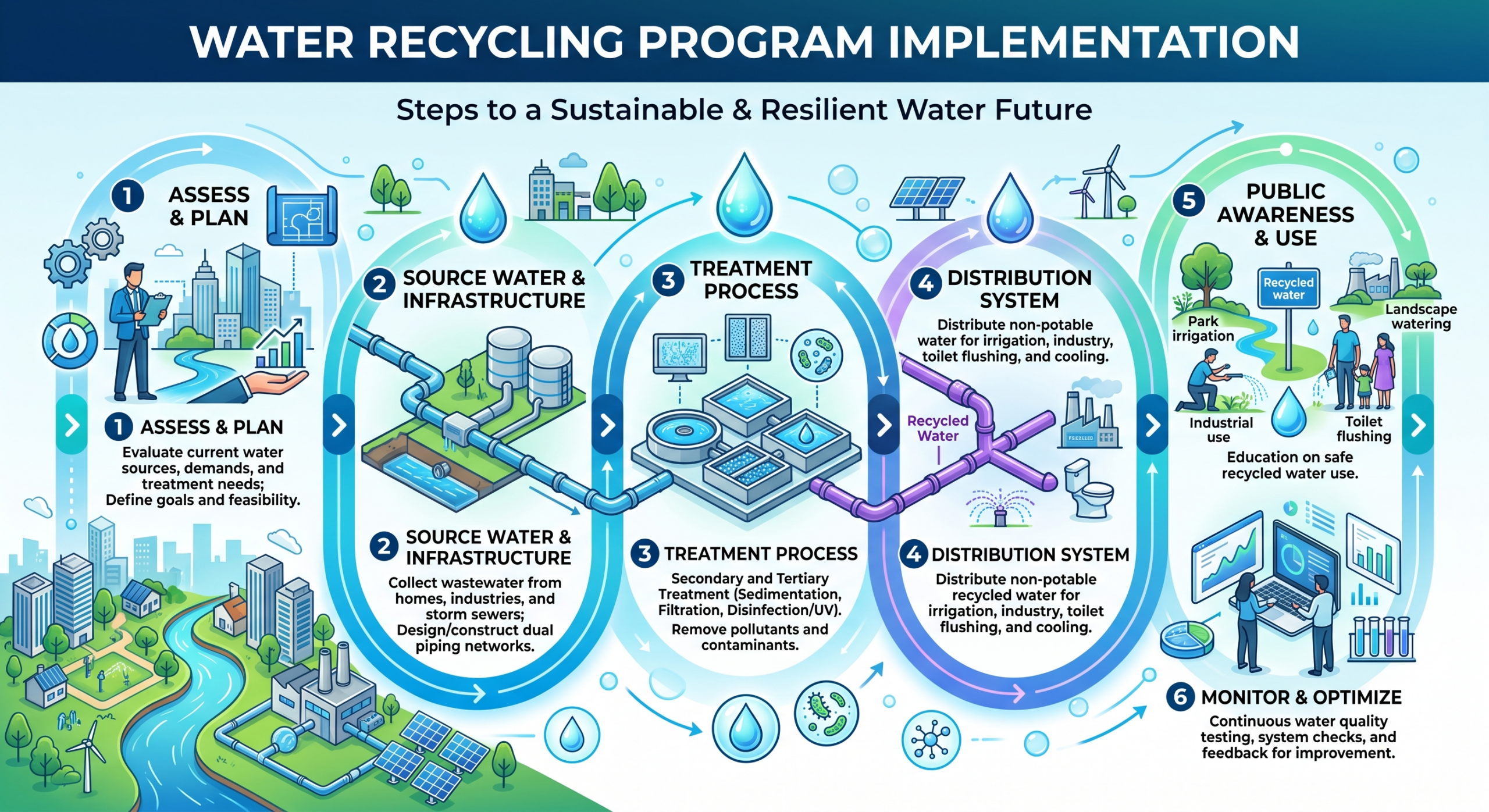
Sakon Nakhon Rajabhat University has implemented a water recycling program as part of its sustainable water management strategy. Wastewater generated from campus buildings is collected and treated through on-site wastewater treatment systems before being conveyed to the university’s constructed wetland and water retention areas for further natural treatment and storage.
During the reporting period, the university generated approximately 124,284.80 m³ of wastewater, of which 99,411.84 m³ was treated through the wastewater treatment system. A total of 10,944.00 m³ of treated water was reused for non-potable purposes, resulting in a Water Reuse Rate of 11.0%.
The recycled water is utilized for landscape irrigation, tree watering, and maintenance of green areas throughout the campus. The university operates water pumping facilities and water tankers to distribute treated and stored water efficiently, reducing dependence on freshwater resources and supporting sustainable campus operations.
This water recycling initiative contributes to water conservation, promotes the circular use of water resources, and supports the university’s commitment to environmental sustainability and integrated water resource management.
Additional evidence link (if any):
Wastewater treatment process flow diagram
Water quality monitoring reports
Monthly treated water utilization records
Water pumping and irrigation operation records
Campus water management policy and sustainability reports
Sakon Nakhon Rajabhat University (SNRU) demonstrates a structured, significant impact on the United Nations Sustainable Development Goals (SDGs) through its diverse portfolio of education, research, and community outreach programs. As documented in the university’s institutional reporting and performance showcases, the curriculum and academic initiatives directly support at least 6 to 7 distinct SDGs: This comprehensive […]
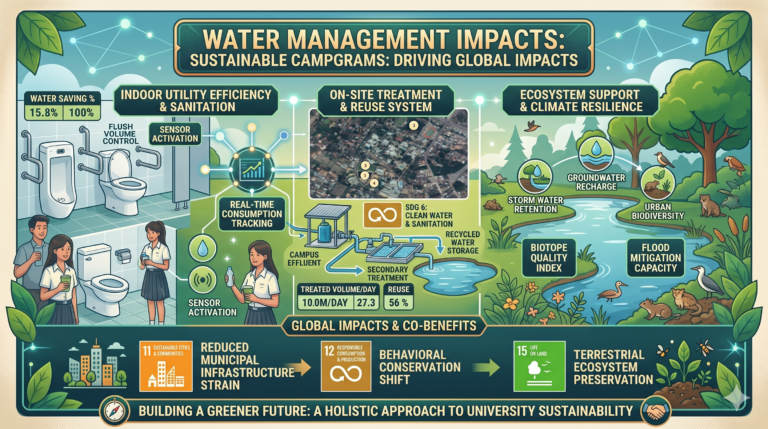
Integrated Impact of Water Management Programs on the SDGs The university’s water management initiatives are driven by a holistic framework. While centered around clean water infrastructure, the program generates cross-cutting impacts that simultaneously support four distinct Sustainable Development Goals (SDGs): [ SDG 6: Clean Water ] │ ┌────────────────────────┼────────────────────────┐ ▼ ▼ ▼ […]
The report form is a monthly report on the operation of the wastewater treatment system and effluent quality. Picture 1. The university’s wastewater treatment facilities employ three types of aeration equipment, namely, roots blowers, diaphragm air pumps, and submersible aerator pumps. A total of 62 units are currently in operation, consisting of both single-phase and […]