
Ensure sustainable consumption and production patterns.
รับรองแผนการบริโภคและการผลิตที่ยั่งยืน

Impact of Eduaction and Research programs in supporting the Sustainable Development Goals (SDGs)
Sakon Nakhon Rajabhat University (SNRU) demonstrates a structured, significant impact on the United Nations Sustainable Development Goals (SDGs) through its diverse portfolio of education, research, and community outreach programs. As documented in the university’s institutional reporting and performance showcases, the curriculum and academic initiatives directly support at least 6 to 7 distinct SDGs: This comprehensive […]

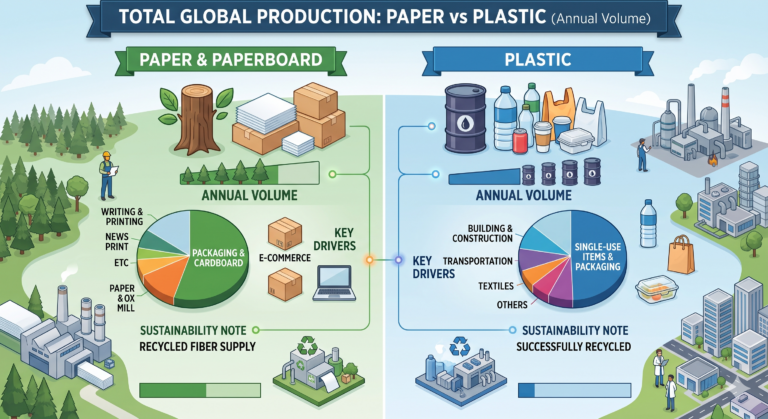
Total volume of paper and plastic produced this year
Waste Type Proportion (%) Volume (m3/day) Average Density (kg/m3) Weight (kg/day) Plastic 50% 4.00 65 260 Paper 15% 1.20 100 120 Glass 5% 0.40 400 160 Others 30% 2.40 180 432 Total 100% 8.00 – 972 kg/day Summary Monthly Calculation (30 Days) Item Weight Per Month 29,160 kg (29.16 tons) Yearly Calculation (365 Days) Item […]
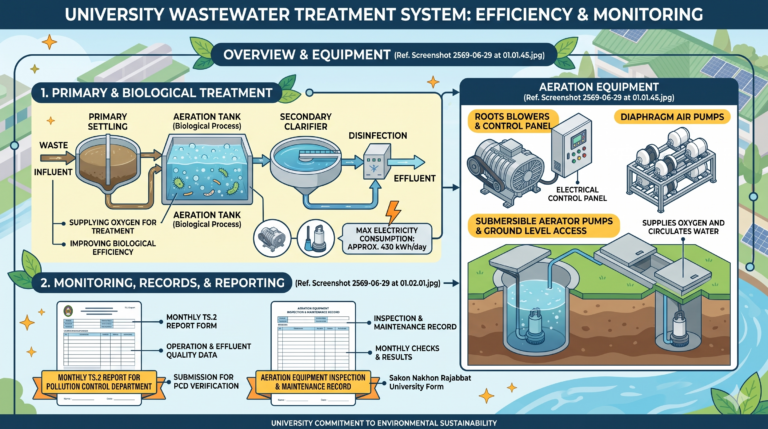
Sewage disposal (WS.6)
Picture 1. The university’s wastewater treatment facilities employ three types of aeration equipment, namely, roots blowers, diaphragm air pumps, and submersible aerator pumps. A total of 62 units are currently in operation, consisting of both single-phase and three-phase electrical systems. These aeration units play a vital role in supplying oxygen to wastewater treatment processes and […]
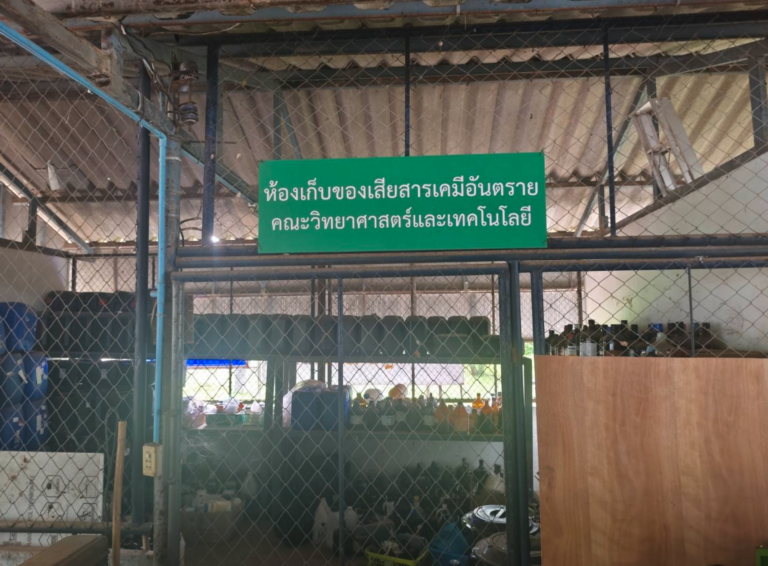
Toxic Waste Treatment (WS.5)
The toxic waste treatment is an essential component of environmental management in universities, particularly in institutions that conduct laboratory, research, and healthcare activities. Therefore, effective toxic waste management practices, including proper segregation, storage, collection, and disposal, are necessary to minimize risks to human health and the environment. By implementing appropriate treatment and disposal procedures, universities […]
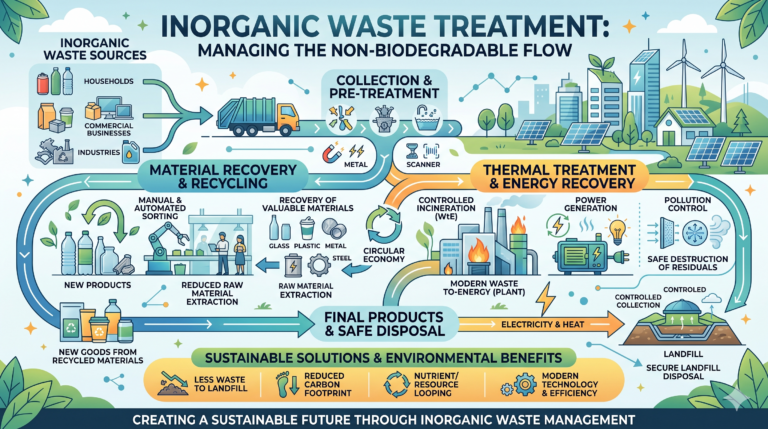
Inorganic Waste Treatment (WS4)
Inorganic waste treatment is an important aspect of sustainable campus management under the UI GreenMetric framework. Then, universities are encouraged to implement effective inorganic waste management practices, including waste segregation, recycling, and reuse, to minimize environmental impacts, reduce landfill disposal, and promote resource efficiency and circular economy principles within the campus community. The university implements […]
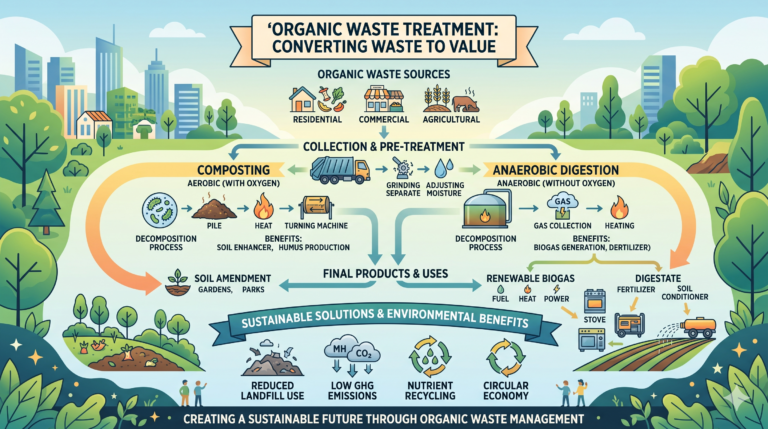
Organic Waste Treatment (WS3)
Campaigning for personnel within the Buildings, Grounds, and Vehicles Division to recycle and manage leftover materials by processing them into original or new forms. This initiative includes: The university implements organic waste treatment through a compartment-based composting system constructed from concrete structures. This facility is designed to process biodegradable waste, including fallen leaves, grass clippings, […]
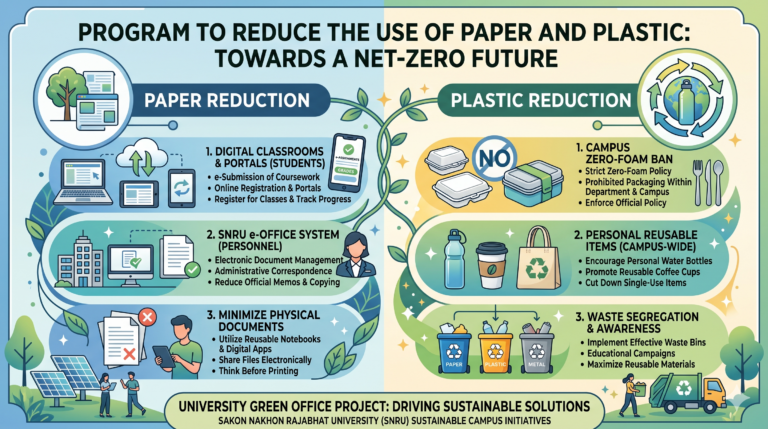
Program to Reduce the Use of Paper and Plastic on Campus (WS2)
The Building, Grounds, and Vehicles Division has implemented the Green Office Project for the fiscal year 2026. This initiative aims to promote and encourage personnel within the division to manage office waste and refuse in the most environmentally friendly manner possible. As part of these efforts, the division has carried out operations to utilize or recycle waste, […]
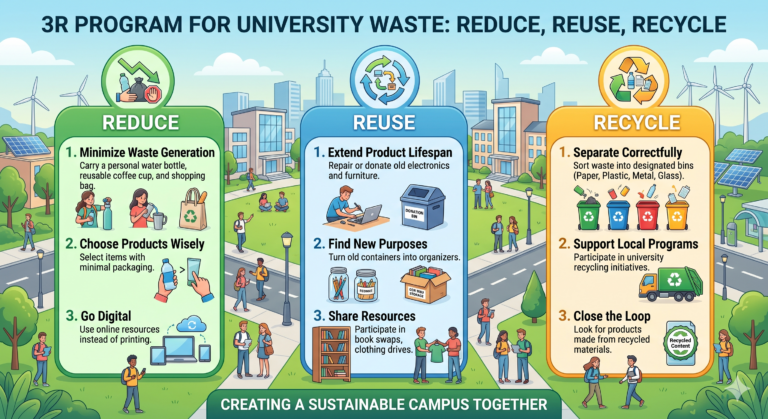
3R (Reduce, Reuse, Recycle) program for university waste (WS.1)
The Building, Grounds, and Vehicles Division has implemented the Green Office Project for the fiscal year 2026. This initiative aims to promote and encourage personnel within the division to manage office waste and refuse in the most environmentally friendly manner possible. As part of these efforts, the division has carried out operations to utilize or […]